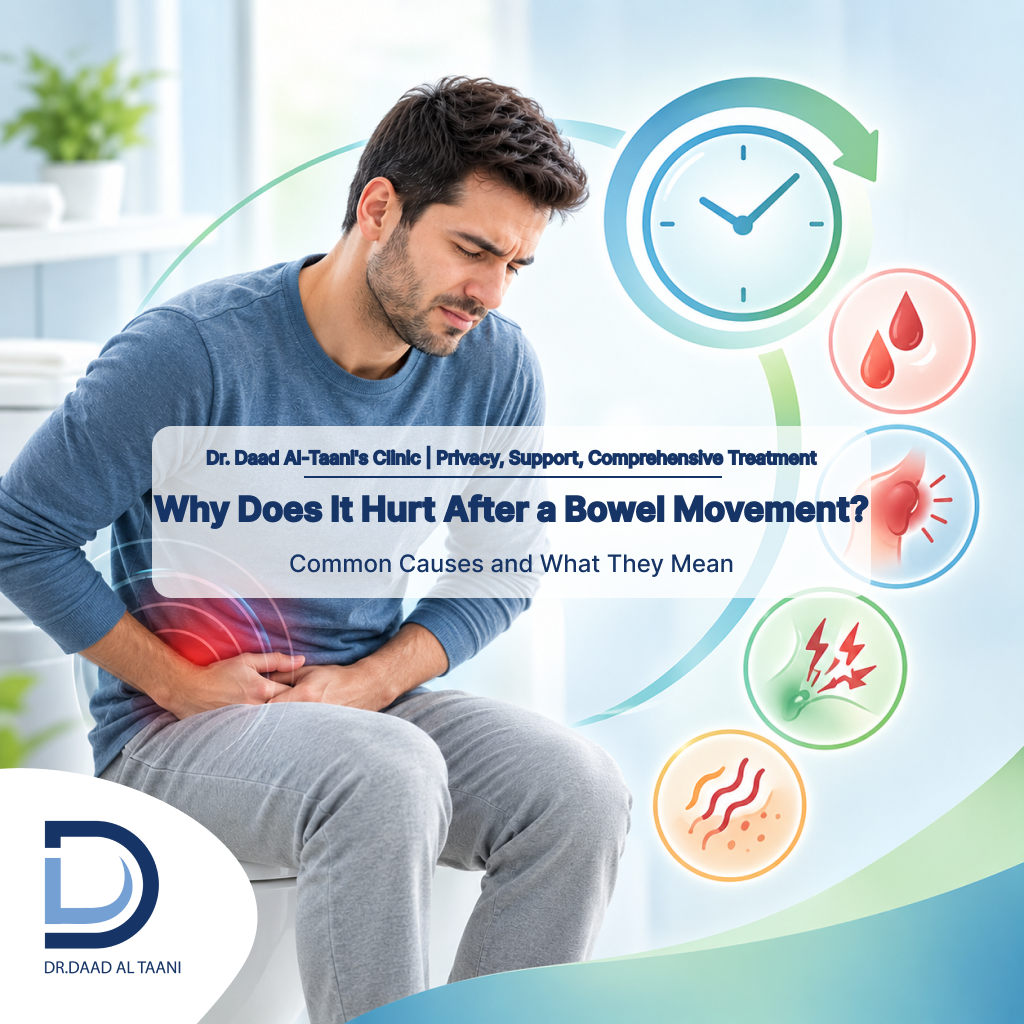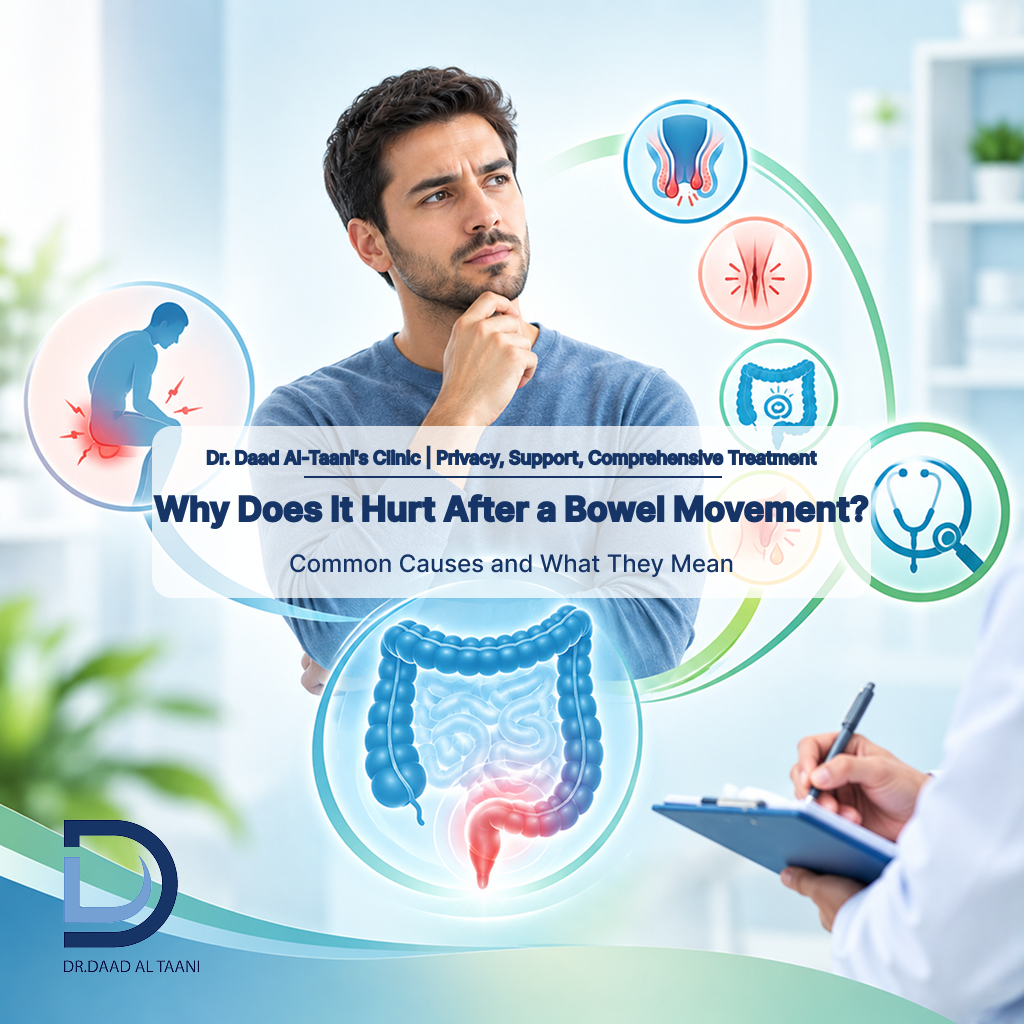
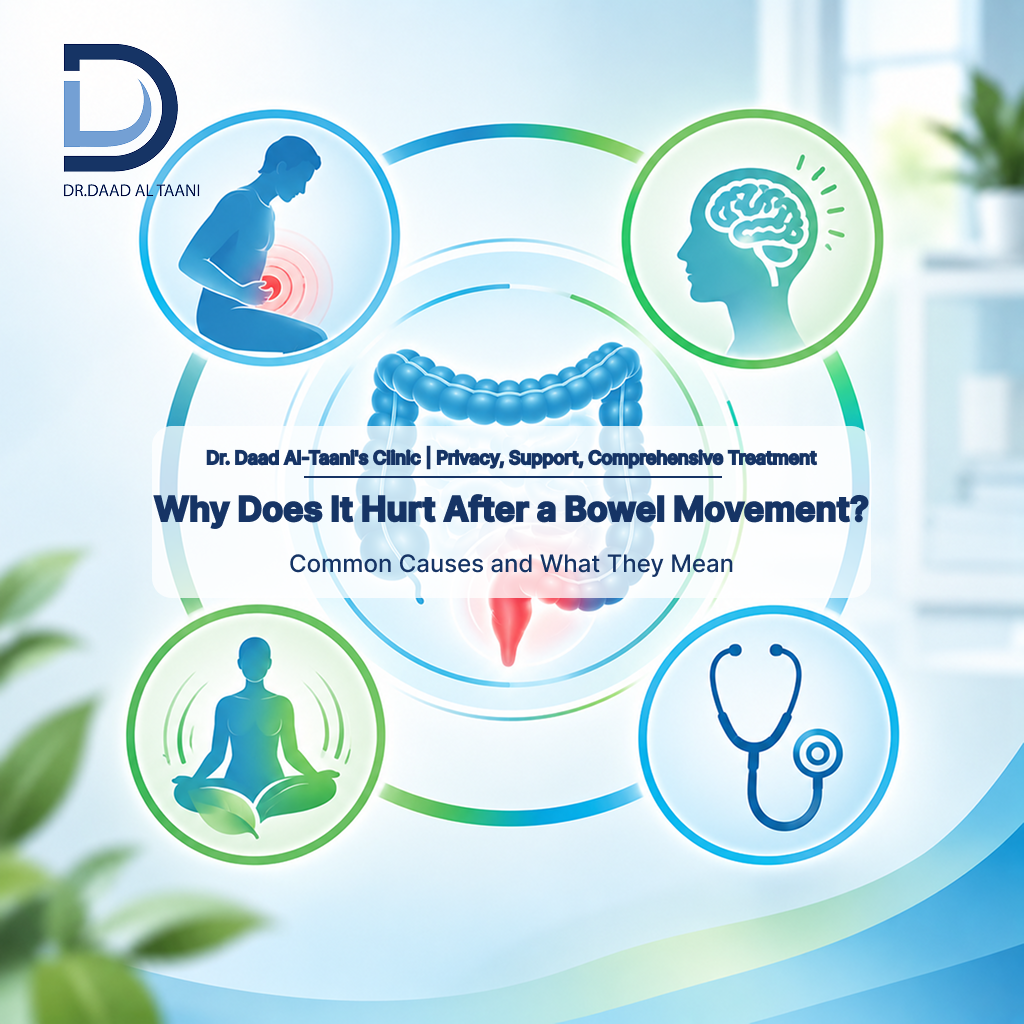
Experiencing pain after a bowel movement can be uncomfortable, worrying, and sometimes difficult to talk about. While many people immediately associate anal pain with hemorrhoids, there are several possible causes. The timing, intensity, and duration of the pain, along with other symptoms such as bleeding, itching, swelling, or a lump, can provide important clues.

Understanding the possible causes can help you recognize when simple self-care may be enough and when a medical evaluation is more appropriate.

Is Pain After a Bowel Movement Always Caused by Hemorrhoids?

No. Hemorrhoids are a common cause of anal discomfort, but they are not the only explanation.

Hemorrhoids are swollen blood vessels around or inside the anus and rectum. Internal hemorrhoids often cause bright-red bleeding and may not be painful unless they prolapse. External hemorrhoids, particularly thrombosed hemorrhoids, can cause more noticeable pain, swelling, and tenderness.

Pain that becomes especially noticeable during or immediately after passing stool may have another cause, particularly if it feels sharp, burning, or cutting.

Anal Fissure: A Common Cause of Pain After Passing Stool

An anal fissure is a small tear in the lining of the anal canal. It can develop after passing hard stool, straining during bowel movements, or experiencing repeated diarrhea.

One of its characteristic symptoms is sharp pain during bowel movements followed by burning or aching that can continue for minutes or even hours afterward. Small amounts of bright-red blood may also appear on toilet paper or in the toilet.

This pattern is important because people sometimes assume they have hemorrhoids when the actual problem may be a fissure.

Keeping stools soft, drinking enough fluids, eating sufficient fiber, and avoiding excessive straining can support healing in many uncomplicated cases. Warm baths may also help relax the area and reduce discomfort.

Can Constipation Cause Pain After Bowel Movements?

Yes. Constipation can contribute to anal pain in several ways.

Hard or dry stool may stretch and irritate the anal tissues. Straining to pass stool can also increase pressure around the anus and contribute to hemorrhoids or anal fissures.

This can create a cycle: painful bowel movements may cause someone to delay going to the toilet, which can allow stool to become harder and make the next bowel movement more uncomfortable.

For this reason, maintaining soft stools is an important part of managing many anorectal conditions. Adequate fluids and dietary fiber can help, while repeatedly pushing hard or spending a long time on the toilet may worsen symptoms.

What About an Anal Abscess or Fistula?

Pain that is constant, throbbing, or progressively worsening may have a different cause.

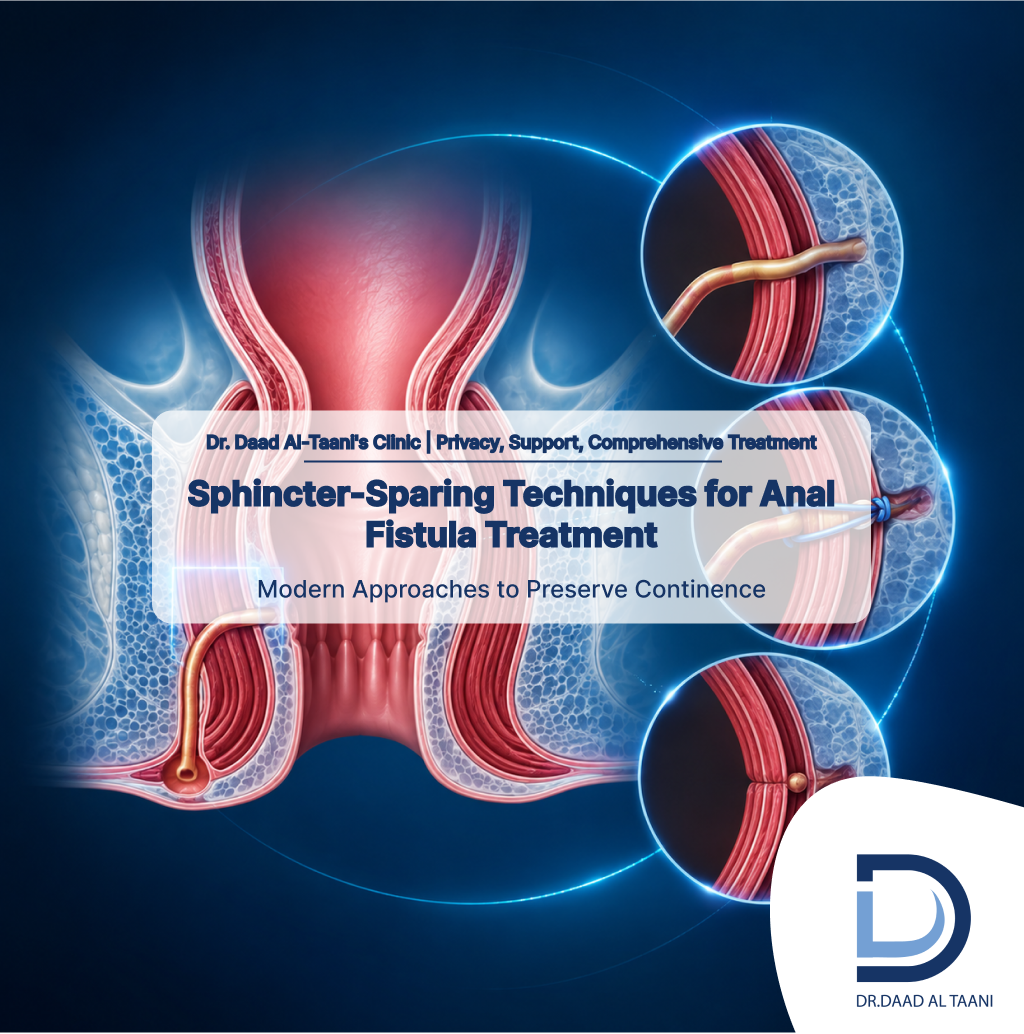
Anal abscesses can cause significant pain and may be accompanied by swelling, fever, or feeling generally unwell. An anal fistula can sometimes cause persistent discomfort, drainage, or recurrent swelling.

These conditions require medical assessment because they are different from ordinary hemorrhoids and may require specific treatment.

Why Does the Pain Sometimes Continue for Hours?

The duration of pain can provide useful information.

With an anal fissure, pain may continue after the bowel movement because the muscles around the anal canal can tighten or go into spasm. This can increase discomfort and may interfere with healing.

Hemorrhoid-related discomfort may instead be associated with swelling, irritation, a tender lump, or prolapse. However, symptoms can overlap, which is why diagnosing yourself based on one symptom alone is not always reliable.

What Can You Do at Home?

If the pain is mild and there are no warning signs, several measures may help reduce irritation:

  • Drink enough water throughout the day.
  • Include adequate fiber in your diet.
  • Avoid excessive straining during bowel movements.
  • Do not ignore the urge to use the toilet.
  • Avoid spending unnecessarily long periods on the toilet.
  • Keep the area clean and dry without aggressive rubbing.
  • A warm, shallow bath may provide temporary relief.

These measures can support softer stools and reduce pressure on the anal area. However, home care should not replace medical evaluation when symptoms are severe, persistent, or unusual.

When Should You See a Doctor?

Medical assessment is advisable when anal pain is severe, keeps returning, or does not improve after a few days of appropriate self-care. Rectal bleeding should also be evaluated when it is persistent, unexplained, or accompanied by other concerning symptoms.

Seek urgent medical attention for heavy or continuous bleeding, large blood clots, severe pain, fever, or feeling significantly unwell.

A consultation with Dr. Daad can help determine whether the symptoms are related to hemorrhoids, an anal fissure, or another anorectal condition and whether further examination is needed.

The Importance of the Right Diagnosis

Pain after bowel movements is a symptom, not a diagnosis. Hemorrhoids, anal fissures, constipation, abscesses, and other conditions can produce overlapping symptoms.

Instead of repeatedly treating the symptom without knowing its cause, identifying the underlying problem can help guide the appropriate treatment.

If anal pain continues or interferes with daily life, Dr. Daad can evaluate the symptoms and help determine the appropriate next step.

Final Thoughts

Pain after a bowel movement is common, but it should not automatically be attributed to hemorrhoids. The character of the pain, when it occurs, how long it lasts, and whether it is accompanied by bleeding, swelling, itching, or other symptoms can all help distinguish between possible causes.

Simple measures such as keeping stools soft, drinking enough fluids, eating adequate fiber, and avoiding excessive straining may help with mild symptoms. Persistent, severe, or recurrent pain deserves professional assessment so that the underlying cause can be identified and treated appropriately.

Share:

Tags:

Latest Articles
Tags

You Can Contact Us Anytime

Related Articles

Call Now اتصل الآن

You can search for the services we provide

You can search for the services we provide