Interdiction

Although anal fistulas are more commonly diagnosed in adults, they can also occur in infants and young children, particularly during the first year of life. In most cases, an anal fistula develops after a perianal abscess fails to heal completely, creating an abnormal tunnel between the anal canal and the skin around the anus.

While the diagnosis may be alarming for parents, the good news is that most pediatric anal fistulas can be successfully treated with early diagnosis and appropriate medical care.

This article explains the causes, symptoms, diagnostic methods, and the latest treatment options for anal fistulas in children.

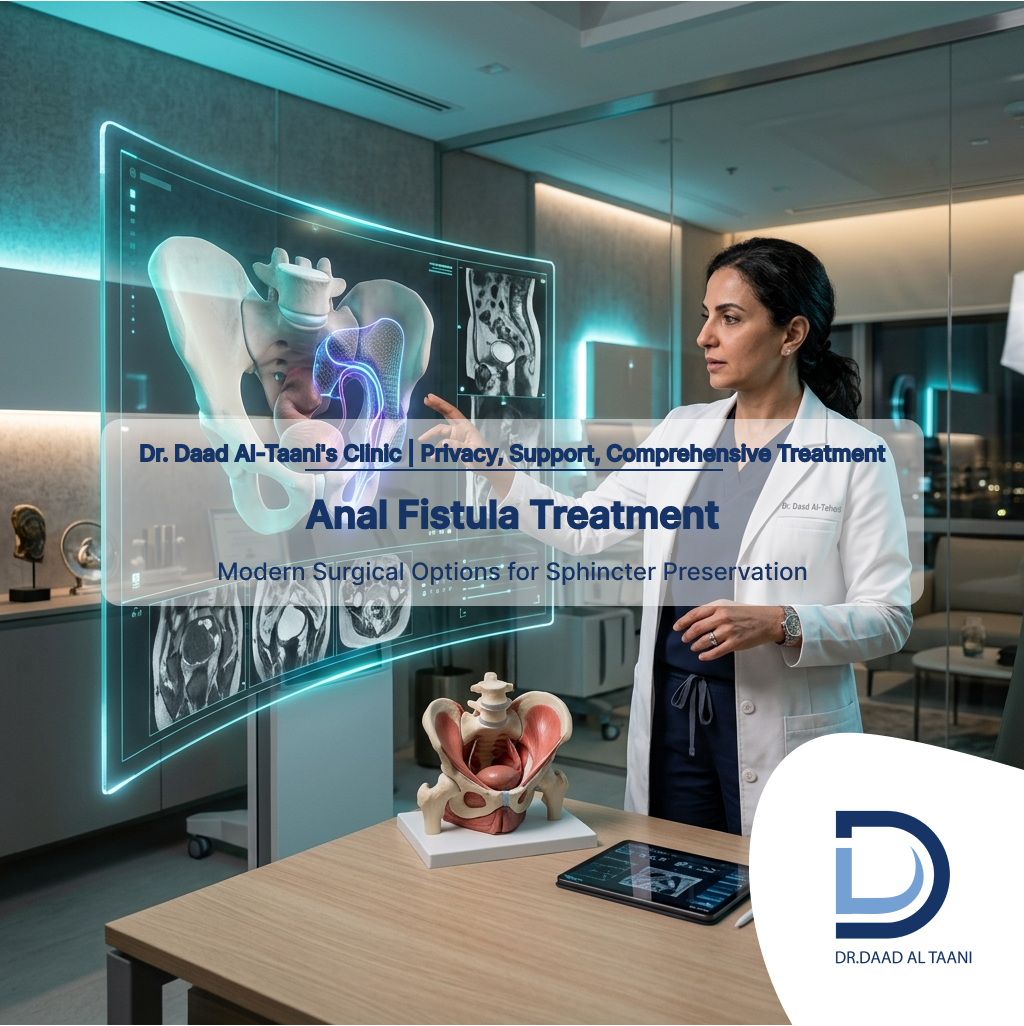
What Is an Anal Fistula in Children?

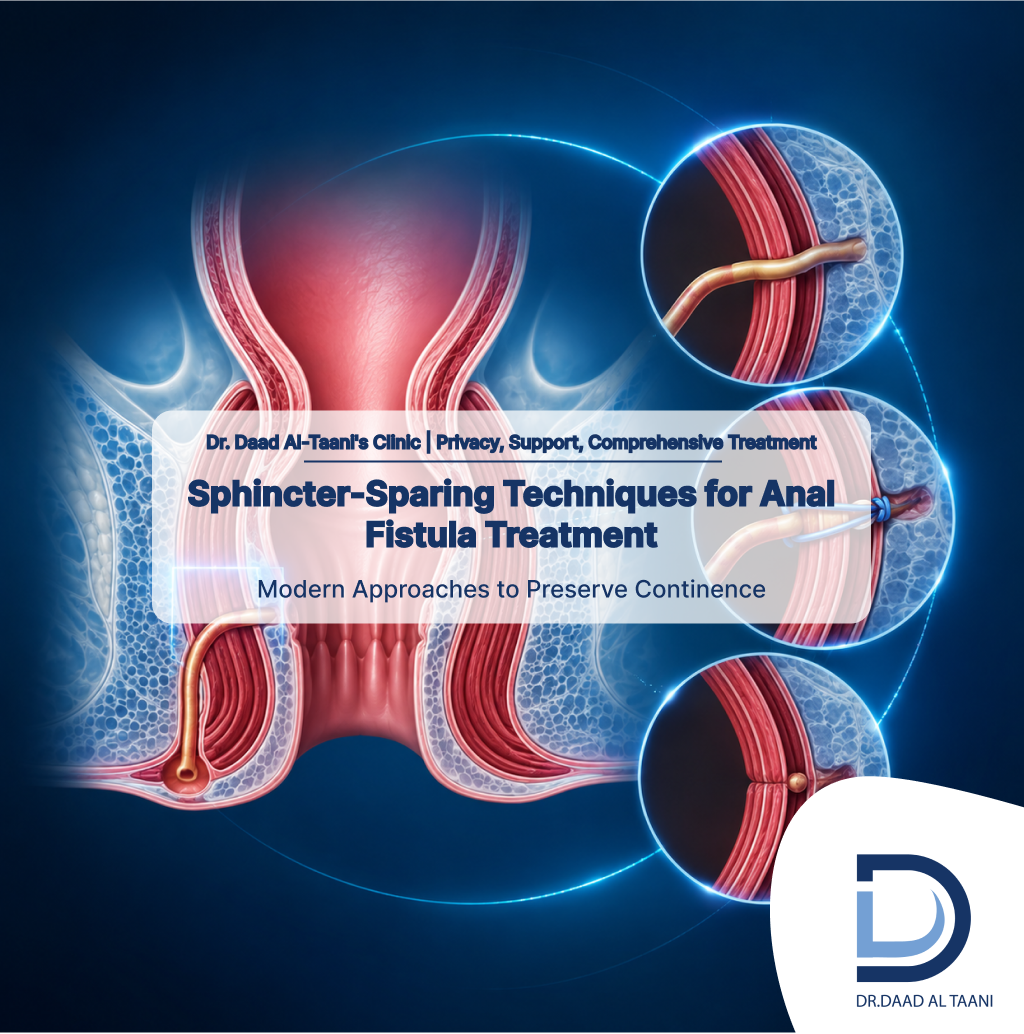
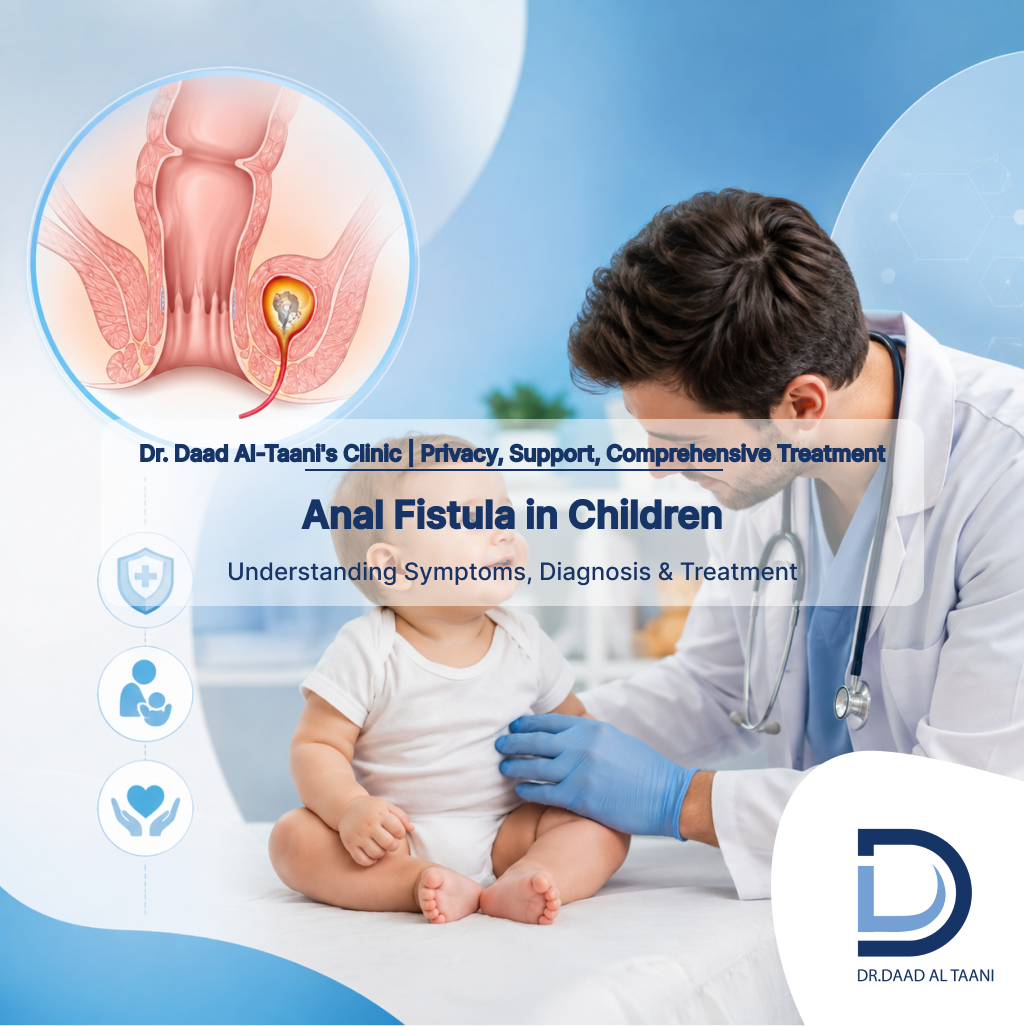
An anal fistula is an abnormal channel connecting the inside of the anal canal to the skin surrounding the anus. It usually forms after a perianal abscess drains spontaneously or is surgically treated but does not heal completely.

In infants, anal fistulas are often simple and located close to the anal opening. More complex fistulas are much less common in children than in adults.

Causes of Anal Fistula in Children

Most pediatric anal fistulas begin with an infection of the small anal glands located inside the anal canal. When these glands become blocked and infected, a perianal abscess may develop, which can later progress into a fistula.

Possible causes include:

  • Infection of the anal glands
  • Previous perianal abscess
  • Immune system disorders (rare)
  • Inflammatory bowel diseases such as Crohn’s disease
  • Rare congenital anorectal abnormalities

In the majority of children, the condition is not related to poor hygiene or inadequate parental care.

Symptoms of Anal Fistula in Children

Symptoms may vary depending on the child’s age and the severity of the condition. Common signs include:

  • A small opening near the anus
  • Persistent or recurrent pus discharge
  • Redness and swelling around the anus
  • Pain during diaper changes or bowel movements
  • Recurrent perianal abscesses
  • Skin irritation caused by continuous drainage

Some children may experience periods of improvement followed by recurrence of symptoms.

How Is an Anal Fistula Diagnosed?

Diagnosis is usually based on a careful physical examination by a pediatric surgeon or colorectal specialist. The external opening of the fistula is often visible during examination.

In recurrent or complex cases, additional investigations may include:

  • Endoanal or perianal ultrasound
  • Magnetic Resonance Imaging (MRI)
  • Laboratory tests if Crohn’s disease or another inflammatory condition is suspected

Accurate diagnosis is essential for selecting the most appropriate treatment plan.

Treatment Options

Treatment depends on the child’s age, the fistula’s complexity, and whether an active abscess is present.

Conservative Management

In some infants, especially those with simple fistulas, conservative treatment may be recommended.

This may include:

  • Keeping the area clean and dry
  • Warm sitz baths
  • Antibiotics when infection is present
  • Regular follow-up examinations

Some fistulas in infants may heal spontaneously without surgery.

Surgical Treatment

If symptoms persist or abscesses repeatedly recur, surgical treatment may be necessary.

The goal of surgery is to remove or open the fistula tract while preserving the anal sphincter muscles whenever possible.

Pediatric fistula surgery is generally straightforward, with high success rates and a low risk of complications when performed by an experienced surgeon.

Can an Anal Fistula Recur?

Although treatment is usually successful, recurrence is possible in some children, particularly if:

  • The initial abscess did not heal completely
  • An underlying inflammatory bowel disease is present
  • The fistula tract was not completely treated

Regular postoperative follow-up helps detect recurrence early and improves long-term outcomes.

Tips for Parents After Treatment

Parents can help promote healing by following these recommendations:

  • Keep the anal area clean at all times.
  • Change diapers frequently.
  • Administer prescribed medications exactly as directed.
  • Attend all scheduled follow-up appointments.
  • Contact the doctor if new swelling, redness, fever, or drainage develops.
  • Never attempt to drain an abscess at home.

Conclusion

Anal fistulas in children are generally treatable conditions with an excellent prognosis when diagnosed early and managed appropriately. Parents should never ignore recurrent abscesses, persistent drainage, or swelling around the anus, as early medical evaluation can prevent complications and improve the chances of complete recovery.

Share:

Tags:

Latest Articles
Tags

You Can Contact Us Anytime

Related Articles

Call Now اتصل الآن

You can search for the services we provide

You can search for the services we provide