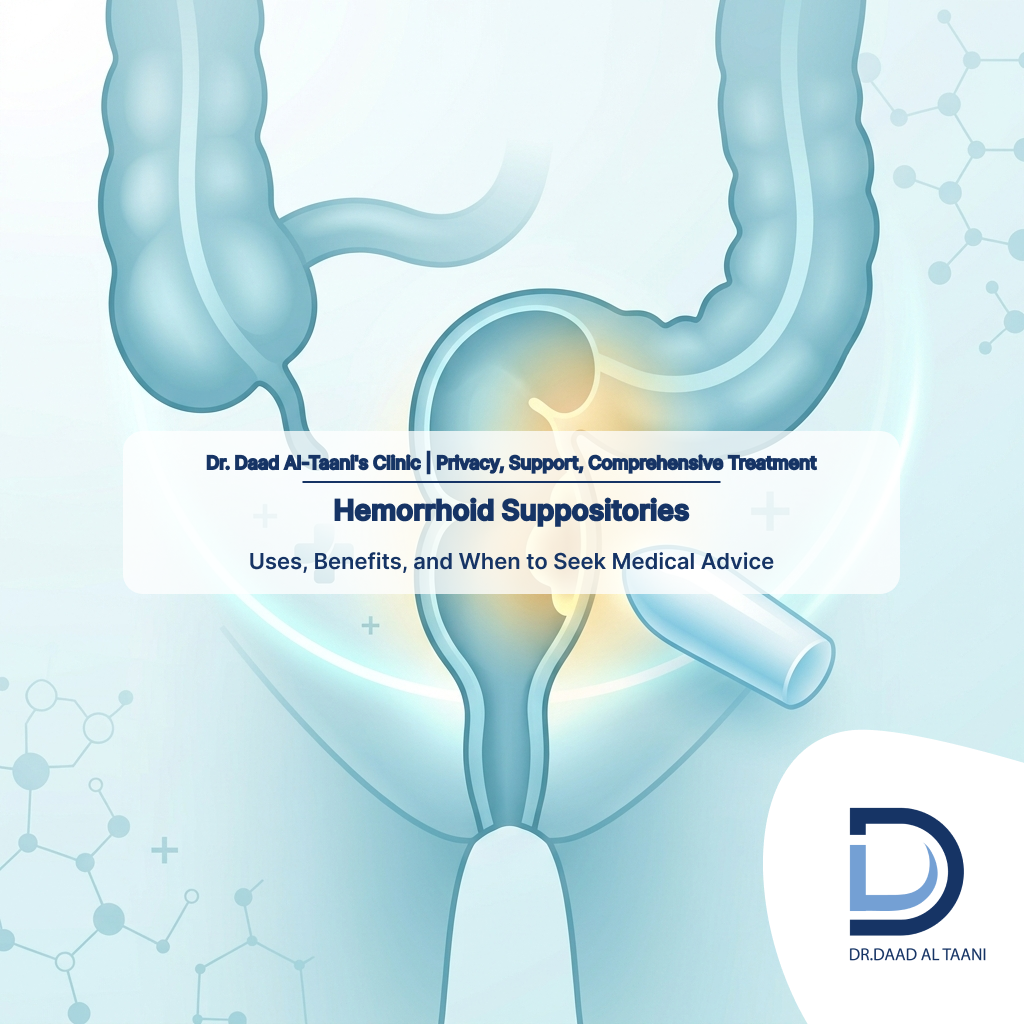
Hemorrhoids are a common condition that can cause itching, irritation, swelling, discomfort, and sometimes bleeding. Although many cases improve with simple lifestyle changes and home care, symptoms can interfere with everyday activities and make sitting or using the bathroom uncomfortable. One of the local treatment options commonly used for hemorrhoid symptoms is a suppository.
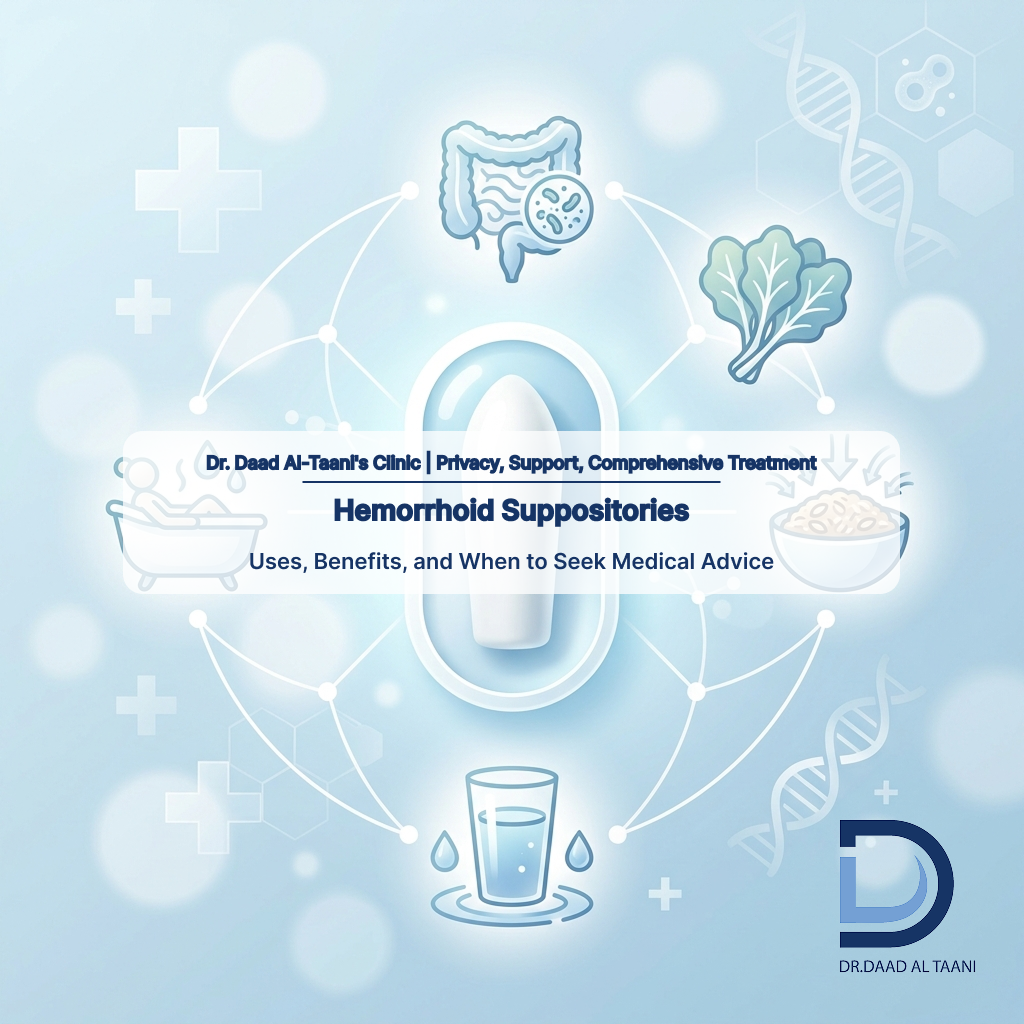
What Are Hemorrhoid Suppositories?

Hemorrhoid suppositories are medications designed to be inserted into the rectum. They can contain different active ingredients depending on the product and its intended purpose. Some formulations are designed to temporarily relieve itching, irritation, inflammation, or discomfort associated with hemorrhoids.

Because suppositories are applied locally, they may be useful when symptoms are mainly associated with internal hemorrhoids. However, not every rectal symptom is caused by hemorrhoids, so persistent or unusual symptoms should not automatically be treated as hemorrhoids without medical evaluation.

How Can Suppositories Help With Hemorrhoid Symptoms?

The ingredients in hemorrhoid medications vary. Depending on the formulation, a product may help reduce symptoms such as itching, irritation, swelling, or pain.

For example, some over-the-counter hemorrhoid treatments contain hydrocortisone, while others may contain local anesthetic ingredients or witch hazel. These ingredients are generally intended to provide temporary symptom relief rather than eliminate the underlying cause of hemorrhoids.

The appropriate product depends on the individual’s symptoms, the type of hemorrhoid, and any other medical conditions or medications they may have.

When Are Hemorrhoid Suppositories Used?

Suppositories may be considered when hemorrhoid symptoms are primarily internal and include discomfort, irritation, or itching. They are usually one part of a broader approach to hemorrhoid management.

Improving bowel habits is particularly important. Increasing dietary fiber, drinking enough fluids, avoiding excessive straining, and not spending unnecessary time on the toilet can help reduce pressure on the veins around the rectum.

Warm sitz baths can also help relieve discomfort. Medical sources commonly recommend sitting in warm water for several minutes as part of supportive care.

Are Suppositories Enough to Treat Hemorrhoids?

Not always. A suppository may help control symptoms, but it does not necessarily address the factors that caused the hemorrhoids.

Constipation, hard stools, prolonged sitting on the toilet, repeated straining, pregnancy, and other factors can increase pressure in the lower rectal area and contribute to hemorrhoid development.

For this reason, treatment is often more effective when medication is combined with measures that keep stools soft and reduce straining.

If symptoms continue despite home treatment, a healthcare professional can determine whether another treatment is needed. Depending on the severity and type of hemorrhoid, medical options may include office-based procedures such as rubber band ligation, sclerotherapy, electrocoagulation, or infrared treatment. More advanced cases may require surgical management.

How Should You Approach Hemorrhoid Treatment?

The first step is identifying whether the symptoms are actually caused by hemorrhoids. Rectal bleeding, for example, should not automatically be attributed to hemorrhoids because other gastrointestinal or colorectal conditions can cause bleeding as well.

A consultation with Dr. Daad can help patients understand their symptoms and identify the appropriate treatment approach rather than relying on self-treatment alone.

It is also important to follow the instructions provided with any hemorrhoid medication. Some ingredients, such as hydrocortisone, should not be used for prolonged periods without medical guidance because extended use may cause skin thinning.

When Should You See a Doctor?

Medical evaluation is recommended if symptoms become severe, keep returning, or do not improve after about a week of appropriate home care. Significant or persistent rectal bleeding should also be assessed rather than assumed to be caused by hemorrhoids.

Urgent medical attention may be necessary in cases of heavy or continuous bleeding, severe pain, dizziness, fainting, fever, or other concerning symptoms.

Final Thoughts

Hemorrhoid suppositories can be a useful option for temporary relief from certain hemorrhoid symptoms, particularly when the problem involves internal hemorrhoids. However, successful management usually involves more than medication alone.

A combination of appropriate treatment, adequate fiber and fluids, healthier toilet habits, and professional evaluation when necessary can help manage symptoms and reduce the chance of recurring problems. Dr. Daad can provide professional guidance for patients who need an individualized approach to hemorrhoid care.

Share:

Tags:

Latest Articles
Tags

You Can Contact Us Anytime

Related Articles

Call Now اتصل الآن

You can search for the services we provide

You can search for the services we provide