

Introduction
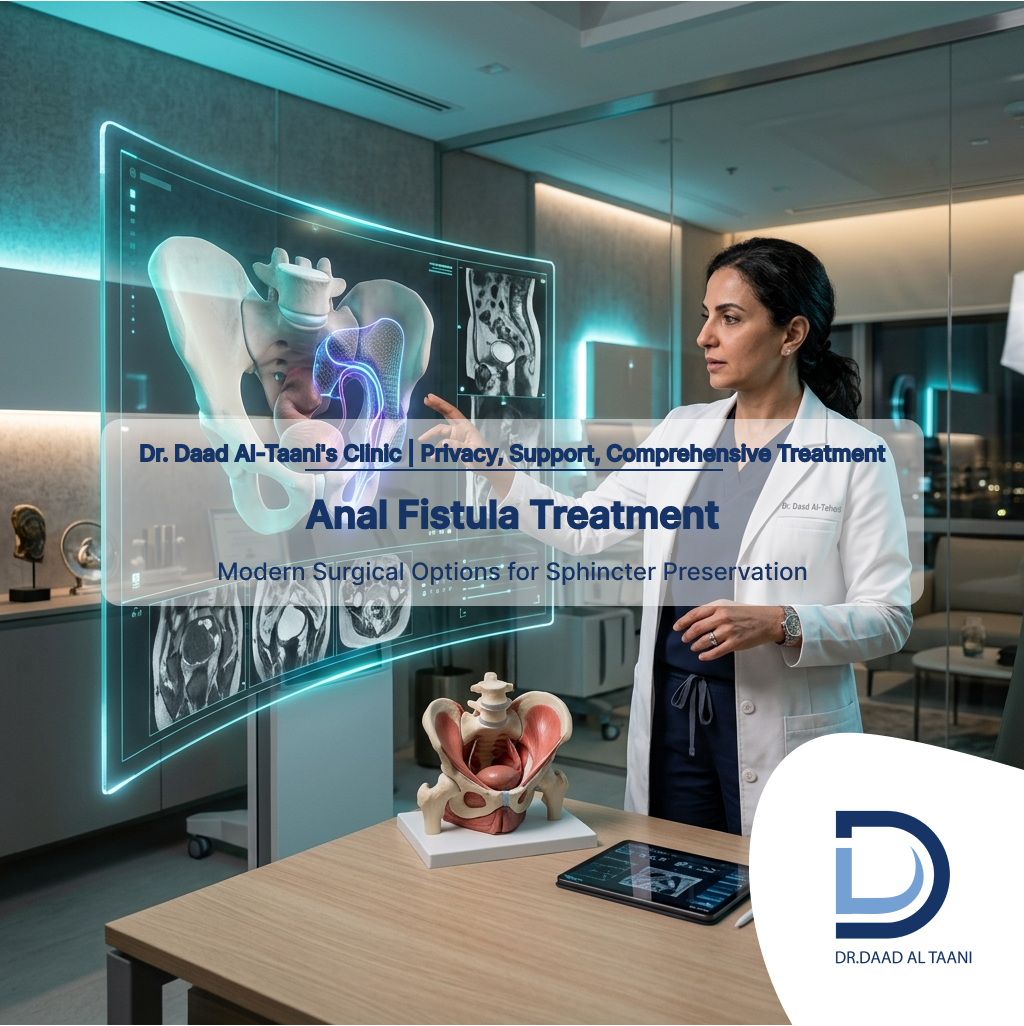
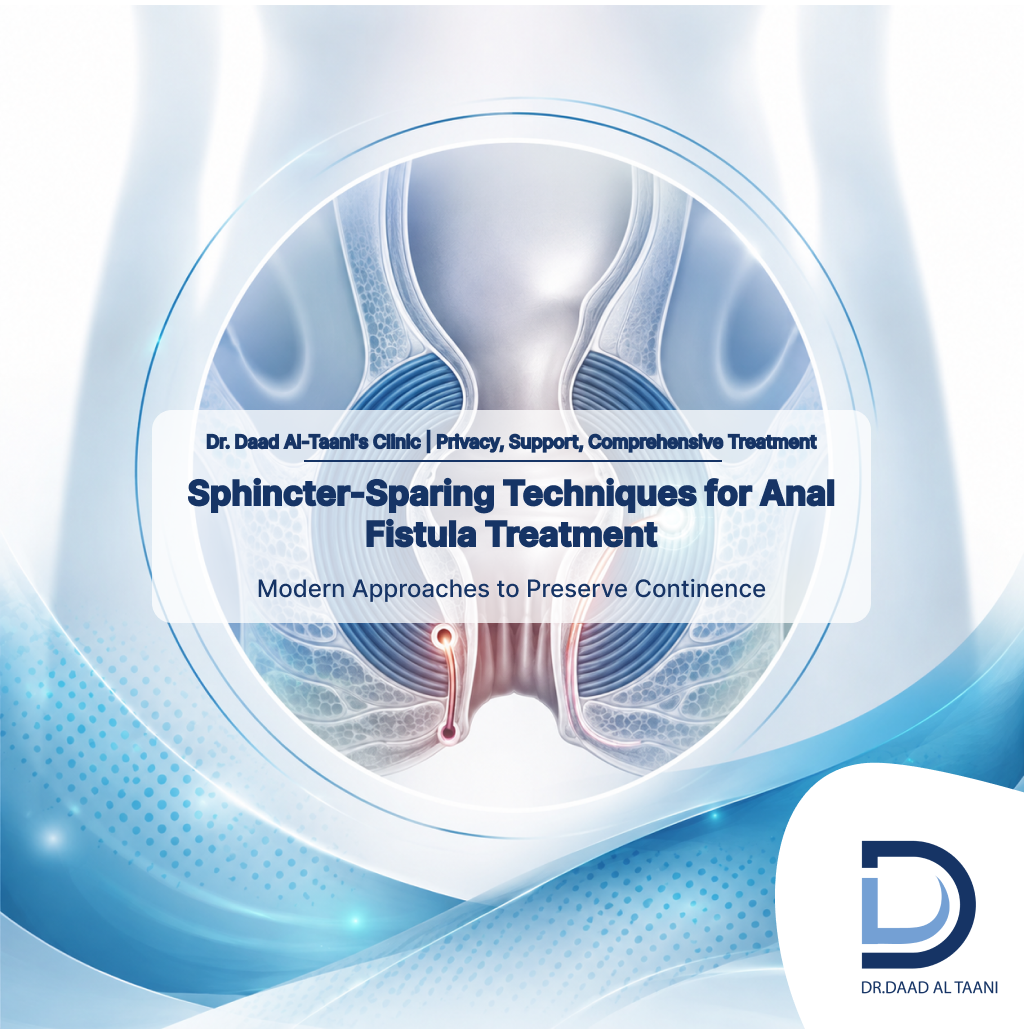
An anal fistula is one of the most challenging anorectal conditions, often causing persistent pain, recurrent infections, and continuous discharge that can significantly affect a patient’s quality of life. Traditionally, surgical treatment involved cutting open the fistula tract (fistulotomy), which is highly effective for simple fistulas but may increase the risk of damaging the anal sphincter muscles in complex cases.
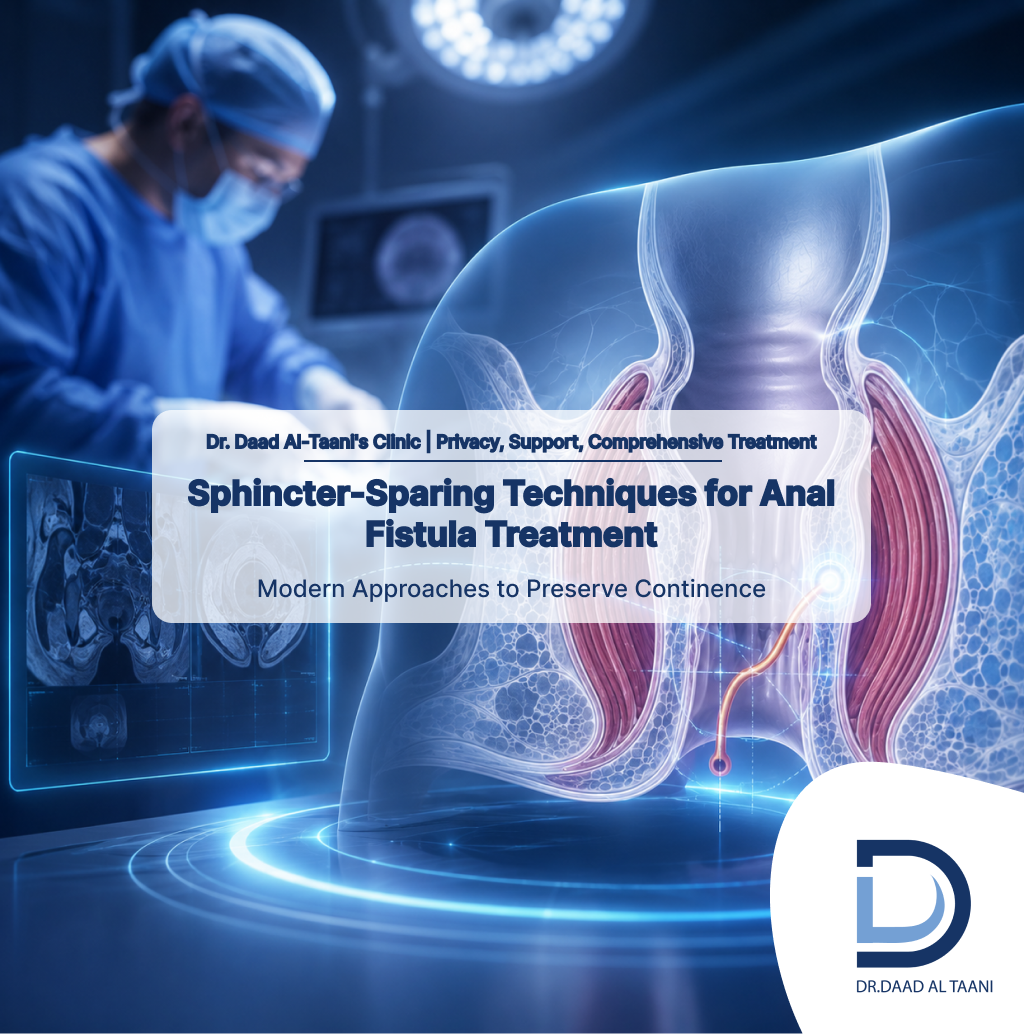
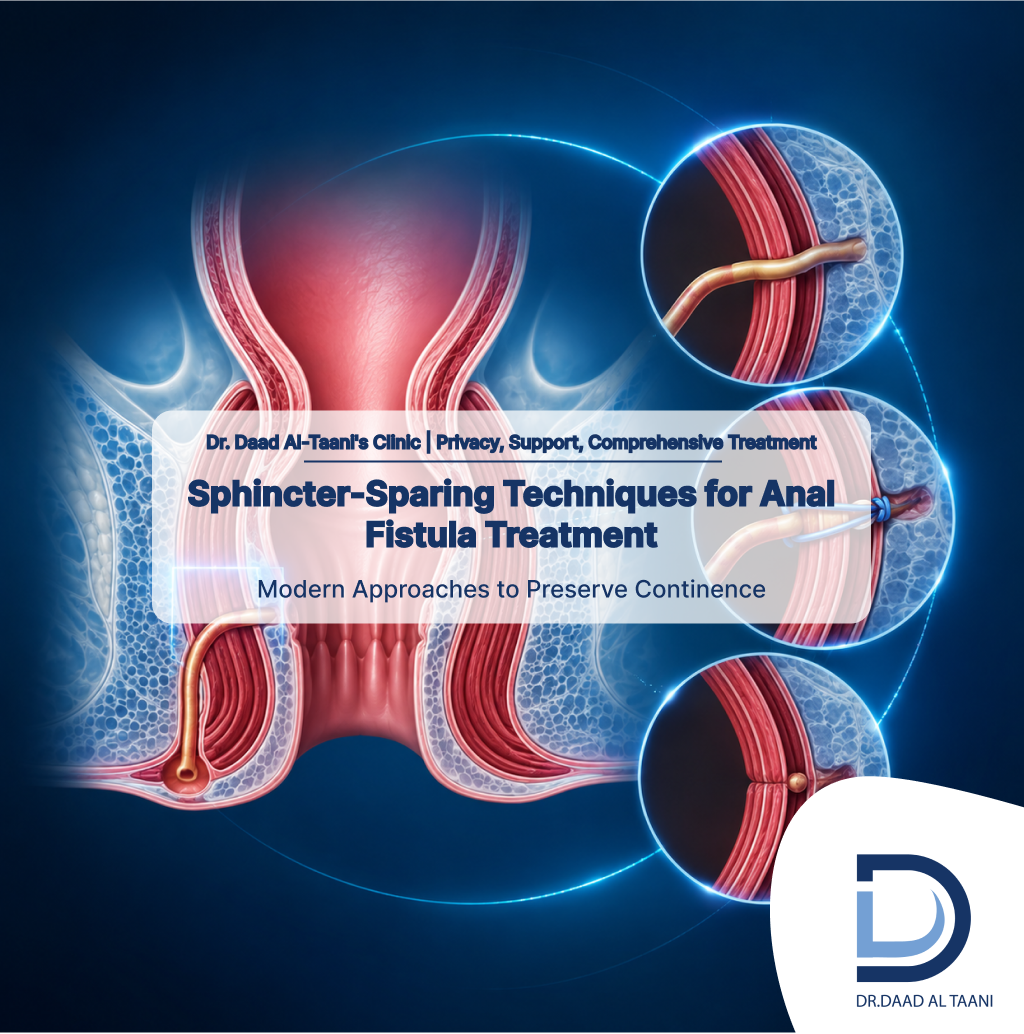
Over the past decade, advances in colorectal surgery have led to the development of several sphincter-preserving procedures designed to eliminate the fistula while protecting the anal sphincter and maintaining normal bowel control. These minimally invasive techniques have become the preferred option for many patients with complex anal fistulas.
In this article, we explore the latest sphincter-sparing treatment options, their advantages, and the patients who may benefit most from these modern surgical approaches.