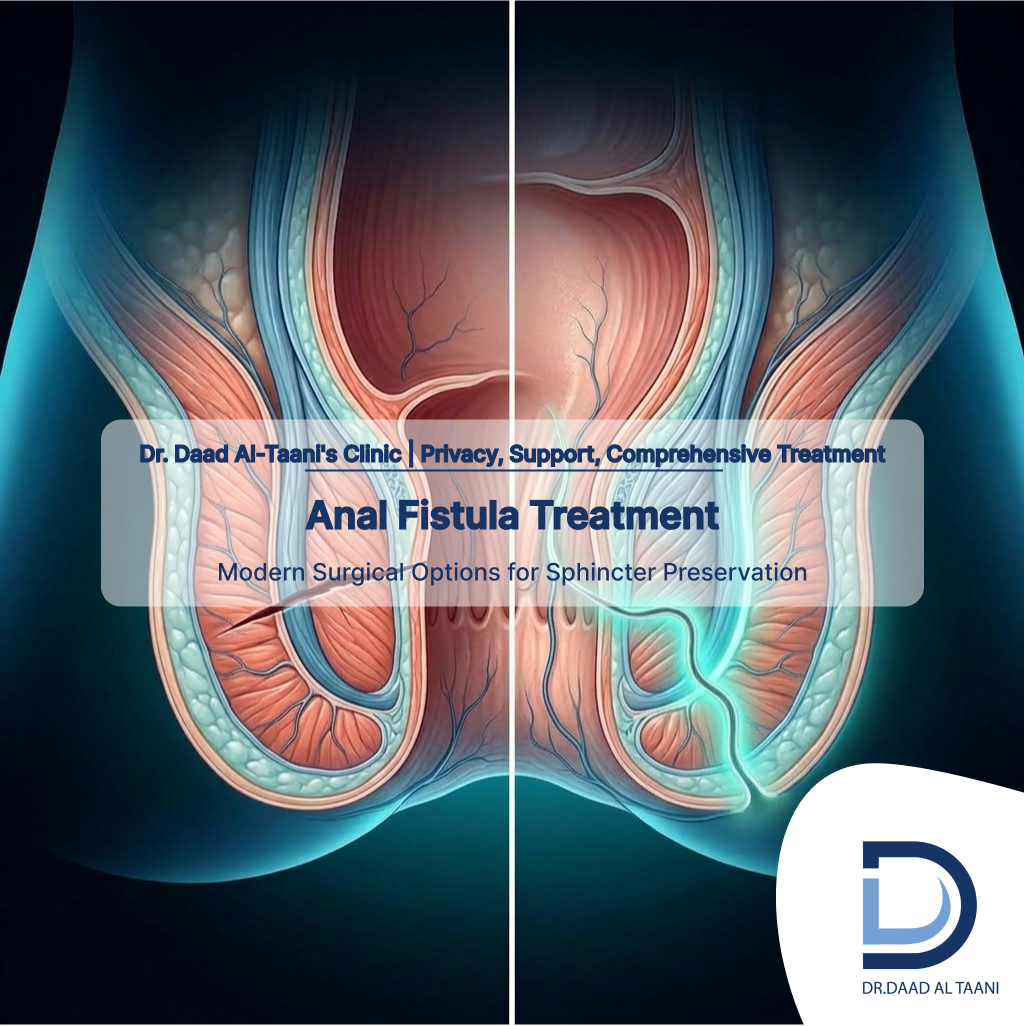
An anal fistula can sometimes begin with an anal abscess or infection, but it may develop into a chronic condition when an abnormal tract forms between the anal canal and the skin around the anus.

Treatment becomes more challenging when the fistula tract passes through the anal sphincter, the muscles responsible for maintaining bowel control. For this reason, modern anal fistula treatment focuses not only on closing the fistula, but also on preserving sphincter function and reducing the risk of recurrence.

What Is an Anal Fistula?

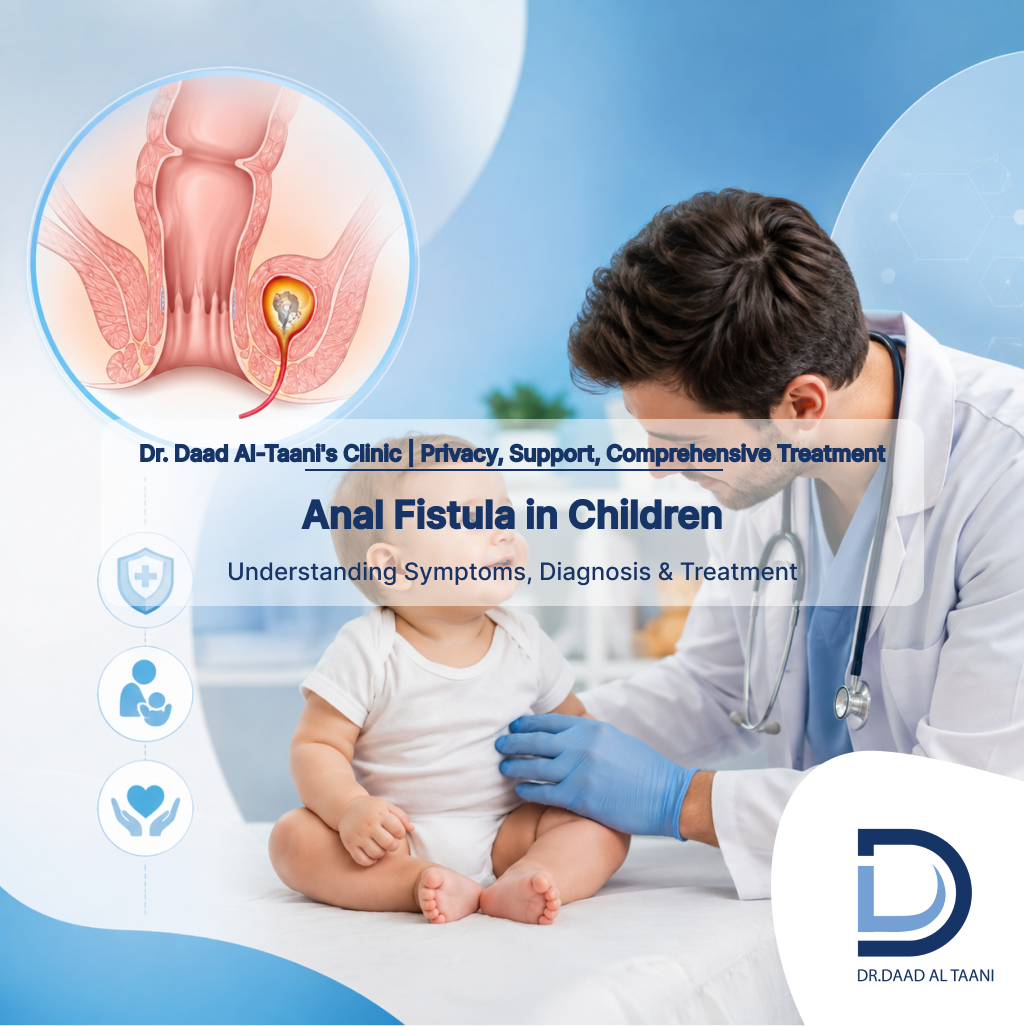
An anal fistula is an abnormal tunnel connecting the inside of the anal canal with the skin surrounding the anus. It commonly develops following an anal abscess. If the infection does not heal completely, the remaining tract may persist and develop into a fistula.

Common symptoms may include:

  • Recurrent discharge near the anus
  • Pain or swelling in the same area
  • A small opening in the skin
  • Recurrent abscesses
  • Persistent irritation or a wound that does not heal

Symptoms alone, however, cannot determine the exact anatomy or complexity of a fistula. A specialist assessment is therefore important before choosing an appropriate treatment.

Why Is Sphincter Preservation Important?

The anal sphincter plays an essential role in controlling gas and bowel movements.

For selected simple fistulas, fistulotomy may be an appropriate treatment. This procedure opens the fistula tract so that it can heal gradually.

However, when a fistula crosses a significant portion of the sphincter, dividing the muscle may increase the risk of continence problems.

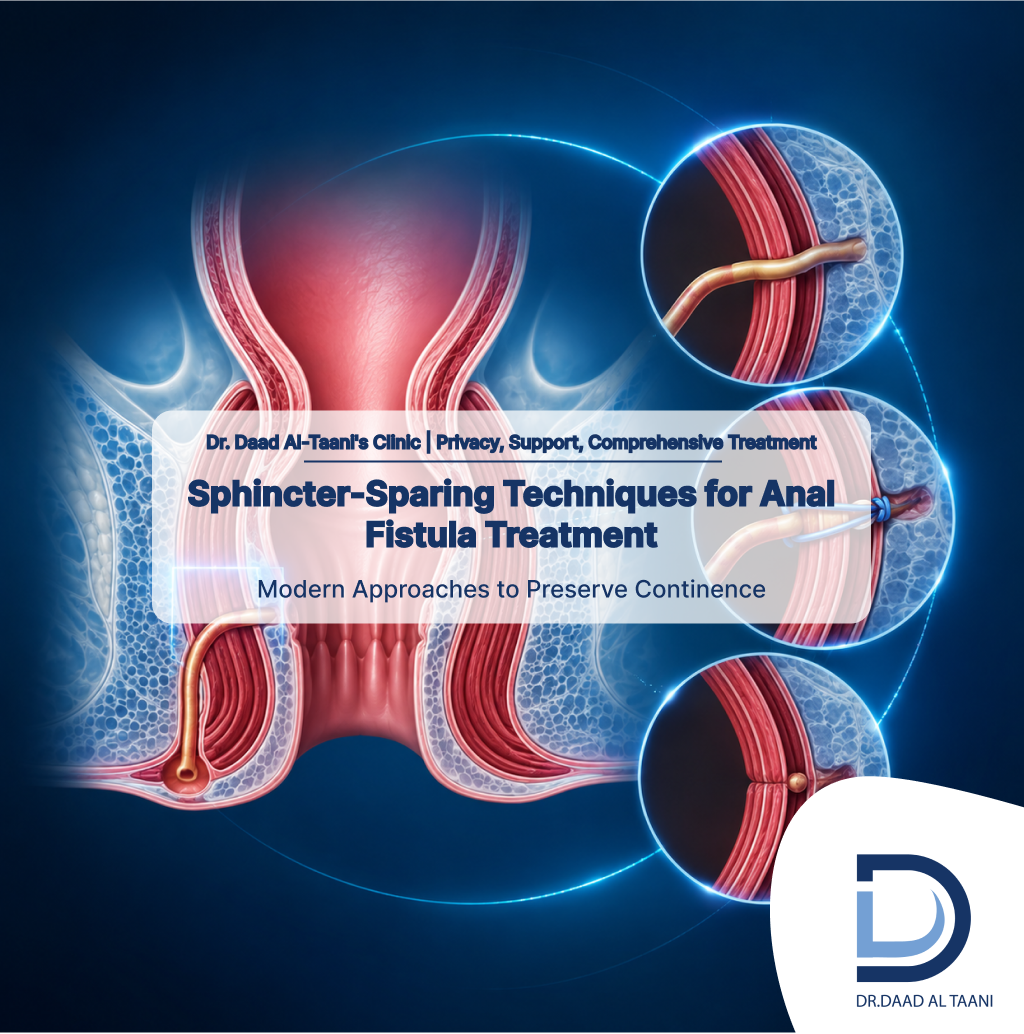
This is why sphincter-sparing surgery has become an important consideration for selected patients with complex anal fistulas.

What Are the Modern Anal Fistula Treatment Options?

1. LIFT Procedure

Ligation of the Intersphincteric Fistula Tract (LIFT) is designed to identify and close the fistula tract in the intersphincteric plane rather than dividing the sphincter along the fistula pathway.

It is used in selected complex anal fistulas, although research continues to evaluate its long-term outcomes, particularly regarding continence and sphincter preservation.

2. VAAFT

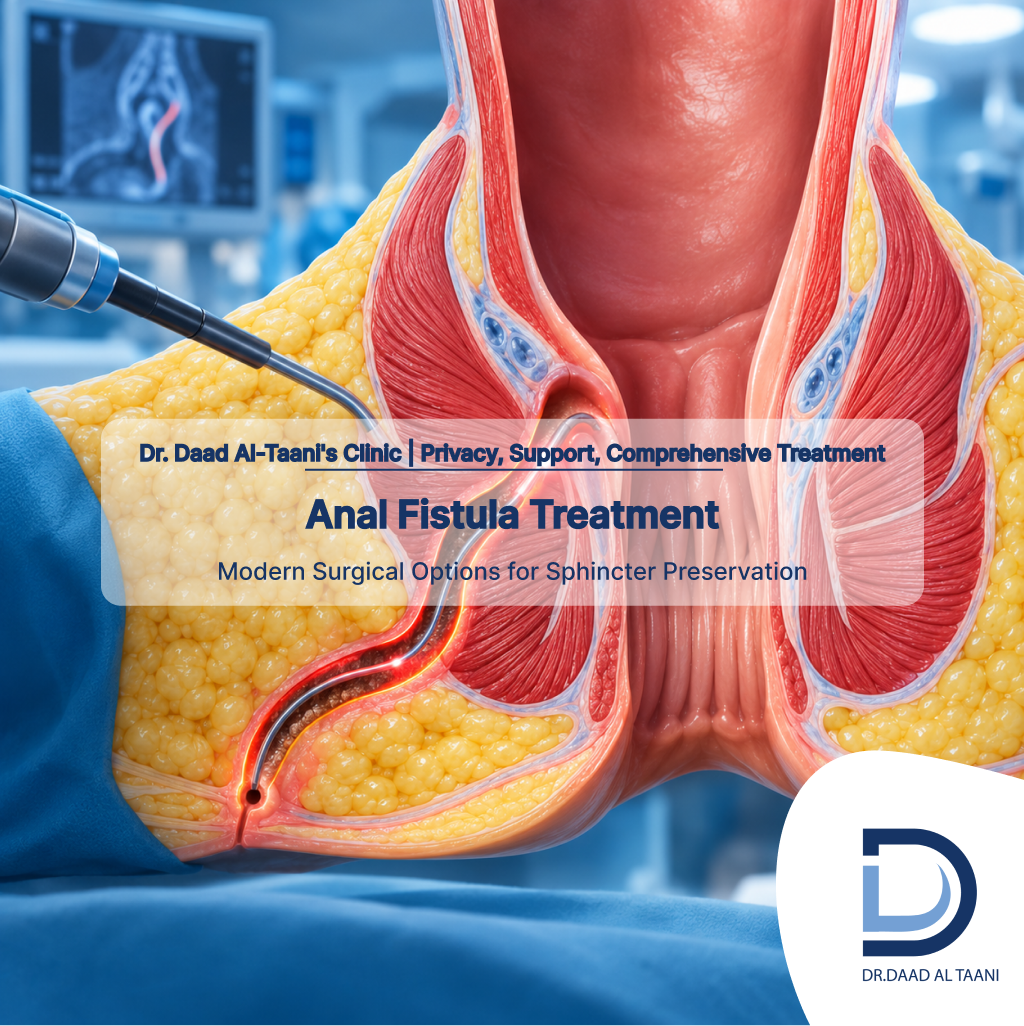
Video-Assisted Anal Fistula Treatment (VAAFT) uses a small fistuloscope to visualize the fistula tract from inside.

The technique allows the surgeon to identify the internal opening and treat the fistula under direct visualization, while aiming to minimize injury to the anal sphincter.

3. FiLaC

Fistula Laser Closure (FiLaC) uses a laser fiber inside the fistula tract to promote closure from within while avoiding extensive sphincter division.

A 2025 systematic review and meta-analysis including 24 studies and 1,503 patients found that FiLaC may be a safe sphincter-preserving option for selected cryptoglandular fistulas. However, recurrence remained possible, and the authors emphasized the need for further high-quality research.

4. Advancement Flap

An endoanal or endorectal advancement flap uses healthy tissue to cover the internal opening of the fistula.

The goal is to close the source of the fistula while avoiding significant division of the anal sphincter.

This approach may be considered for selected complex fistulas depending on their anatomy, previous procedures, and individual patient factors.

Is There One Best Anal Fistula Treatment?

No single procedure is appropriate for every anal fistula.

A 2025 systematic review and network meta-analysis compared four sphincter-sparing techniques: LIFT, VAAFT, FiLaC, and endoanal flap. The review included 49 studies and 3,520 patients.

The researchers found differences in reported failure rates between the techniques, but the available evidence was not sufficient to establish one procedure as universally superior. They also emphasized the need for more consistent studies and longer follow-up.

This supports an individualized approach to anal fistula treatment, based on the anatomy of the fistula, sphincter involvement, previous procedures, and the patient’s overall condition.

How Is the Right Treatment Chosen?

Before deciding on anal fistula surgery, the surgeon may assess:

  • The complete course of the fistula
  • Its relationship with the anal sphincter
  • Whether it is simple or complex
  • The presence of an abscess or secondary tracts
  • Previous fistula procedures
  • Existing continence problems
  • Associated conditions such as Crohn’s disease
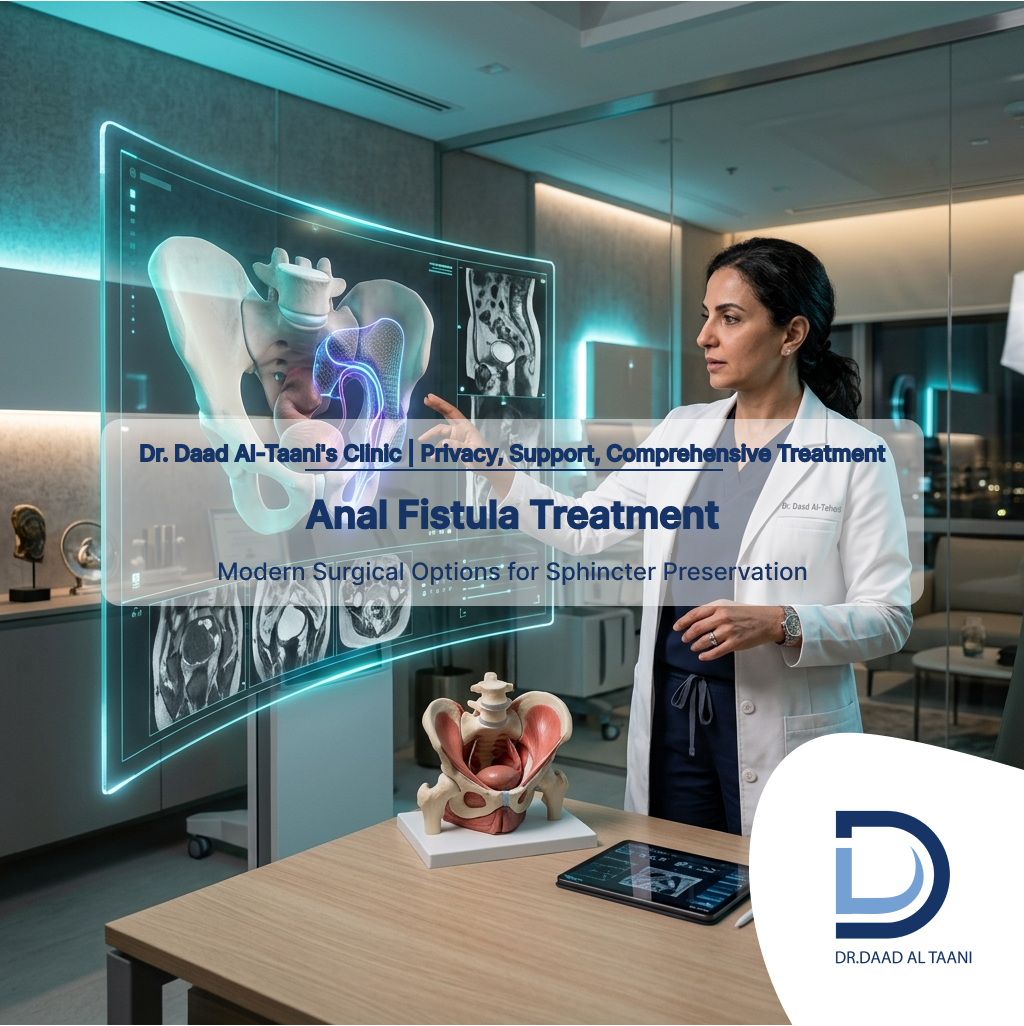
  • Whether imaging such as pelvic MRI is required

At Dr. Daad Al-Tahani Clinic, a specialist assessment can help determine the anatomy of the fistula before discussing the most appropriate treatment options for the individual patient.

Can an Anal Fistula Come Back After Treatment?

Yes. Recurrence is possible even after surgical treatment.

The likelihood of recurrence can vary depending on the type and complexity of the fistula, secondary tracts or abscesses, previous procedures, and associated medical conditions.

Treatment success should therefore not be judged by fistula closure alone. Important outcomes also include continence, postoperative pain, quality of life, and whether additional procedures are required. Recent research has emphasized the importance of evaluating these patient-centered outcomes when comparing treatments for complex anal fistulas.

When Should You See a Specialist?

A medical assessment is recommended if you experience recurrent discharge, pain or swelling near the anus, a skin opening that does not heal, repeated abscesses, or symptoms that return after previous anal fistula surgery.

Early assessment can help identify the fistula tract and guide treatment planning instead of repeatedly treating symptoms without addressing the underlying cause.

Conclusion

Modern anal fistula treatment has evolved significantly, with sphincter preservation becoming an important consideration, particularly for complex fistulas.

Current options include LIFT, VAAFT, FiLaC, and advancement flap procedures. However, the choice should not be based simply on whether a procedure is newer or minimally invasive. The anatomy of the fistula, its relationship with the sphincter, previous treatment, and individual patient factors all matter.

If you have recurrent symptoms or have previously undergone fistula treatment and the problem has returned, a specialist assessment can help determine the nature of the fistula and the available treatment options.

Accurate diagnosis and individualized treatment planning remain central to achieving the best possible outcome while preserving sphincter function whenever possible.

This article is intended for general educational purposes and does not replace an individual medical consultation or diagnosis.

Share:

Tags:

Latest Articles
Tags

You Can Contact Us Anytime

Related Articles

Call Now اتصل الآن

You can search for the services we provide

You can search for the services we provide