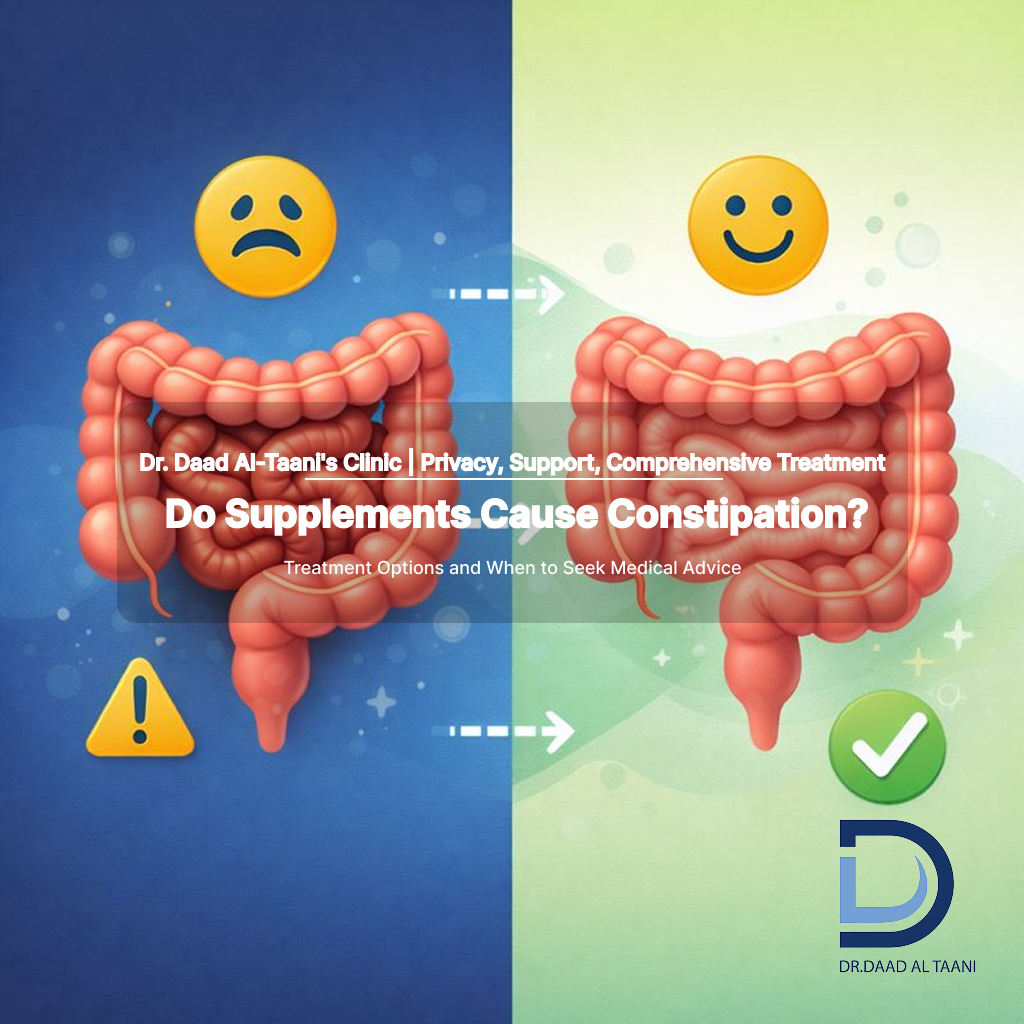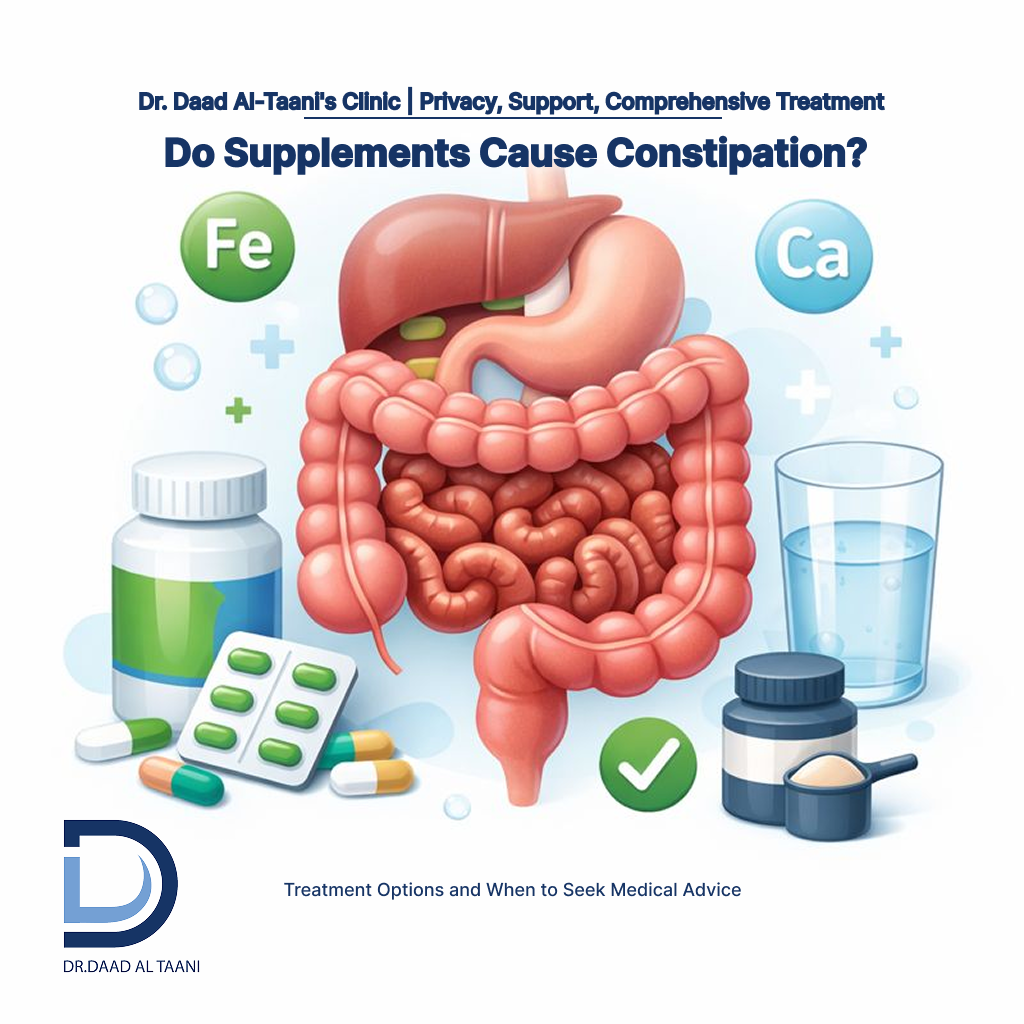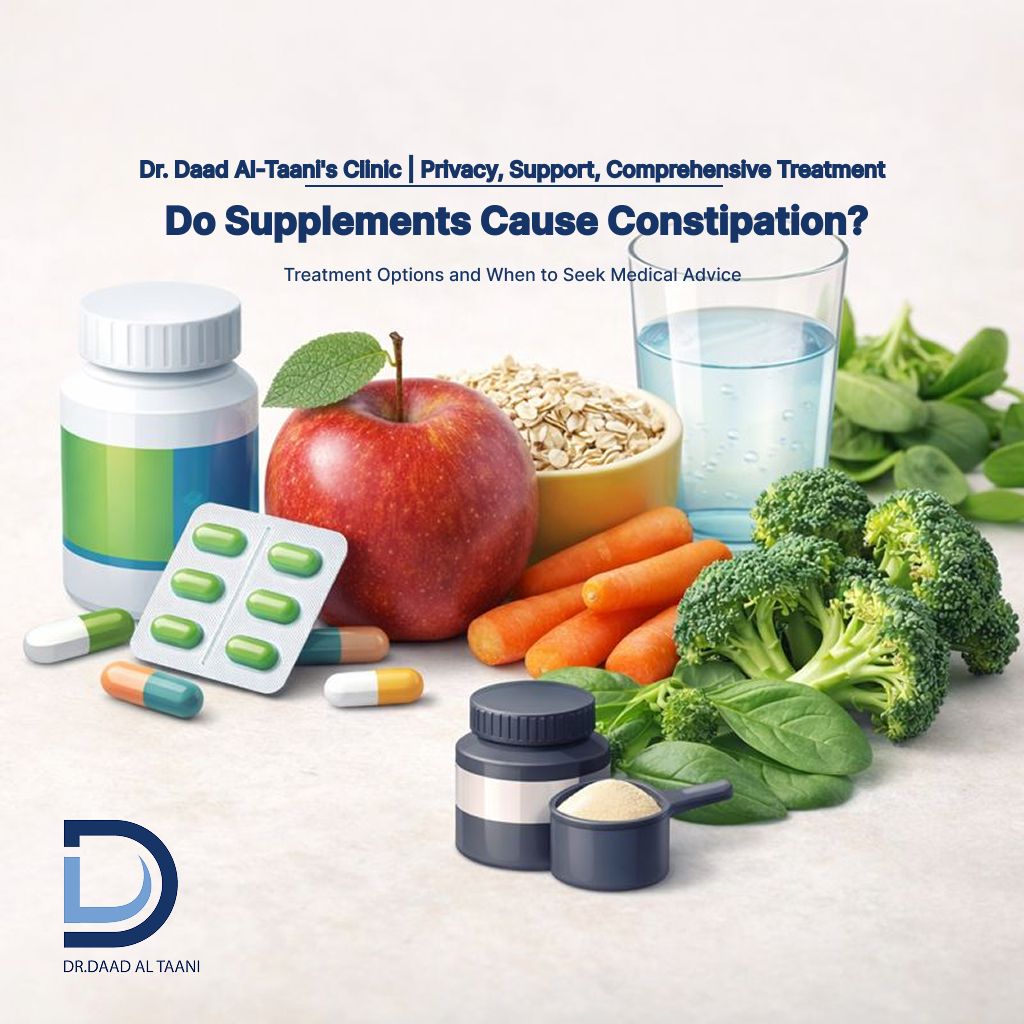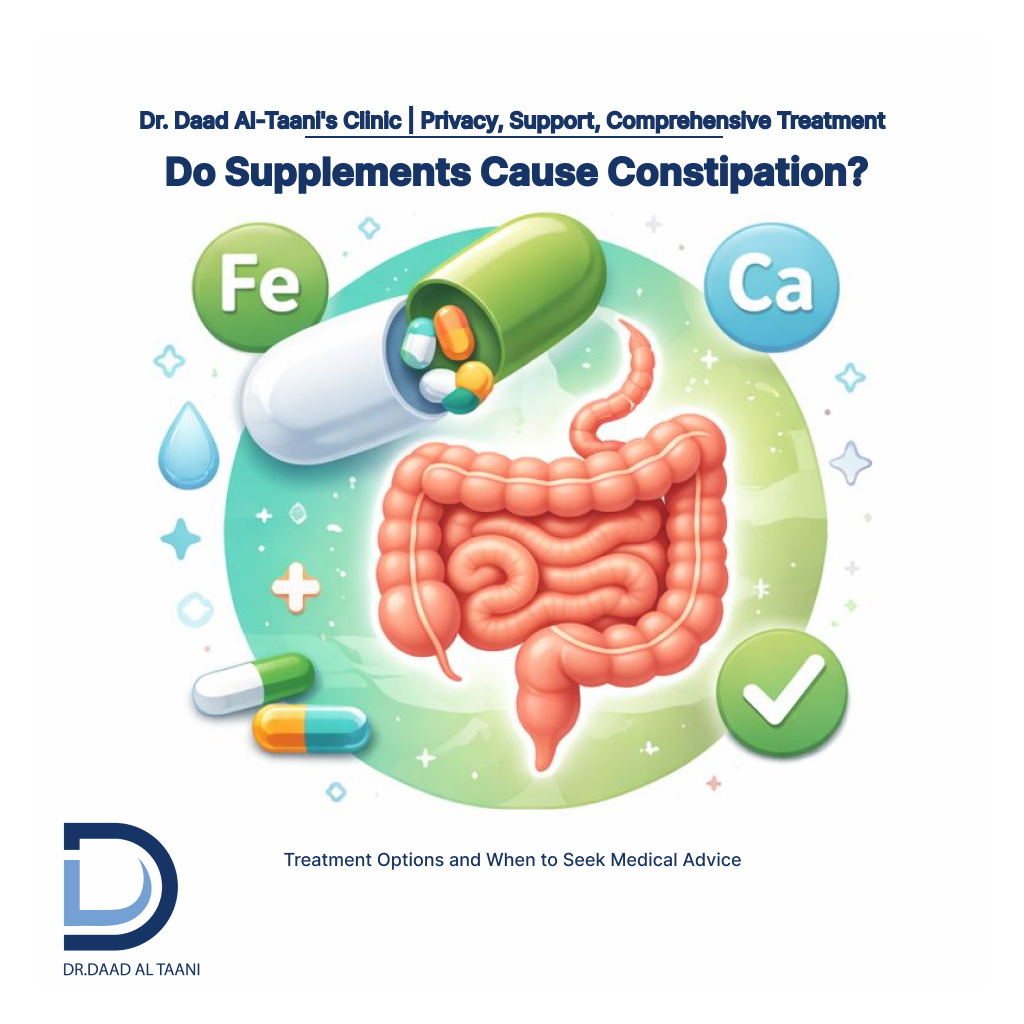
Many people take dietary supplements to improve their health or correct nutrient deficiencies, but sometimes these supplements may cause unwanted side effects—one of the most common being constipation. So, do supplements really cause constipation? Which types are most associated with this issue?

In this article, we explore the main causes, symptoms, and safe treatment options.

How Can Supplements Cause Constipation?

Some supplements can affect bowel movement or change how the intestines absorb water, which may lead to slower digestion and difficulty during bowel movements.

Although constipation is usually not dangerous, it can cause significant discomfort and disrupt daily life.

Supplements That May Cause Constipation

1. Iron Supplements

One of the most common causes of supplement-related constipation.

Why? Iron affects colon motility and can make the stool harder and darker.

2. Calcium Supplements

Especially when taken in high doses.

Why? Calcium can slow down intestinal contractions, leading to noticeable constipation.

3. Protein Supplements

Such as whey protein powders.

Why? High protein intake with low fiber consumption may lead to slower bowel movement.

4. Certain Multivitamins

Especially formulas rich in iron or calcium

Symptoms of Supplement-Related Constipation

  • Hard or dry stool
  • Difficulty passing stool
  • Feeling of incomplete evacuation
  • Bloating or gas
  • Mild abdominal discomfort

Diagnosis

At Dr. Dhad Al-Ta’ani Clinic, diagnosis usually includes:

  • Reviewing the type and dosage of the supplement
  • Assessing the patient’s diet and lifestyle
  • Gentle clinical examination if needed
  • Ruling out other gastrointestinal conditions

Management and Prevention

1. Adjusting the Supplement Dose

The doctor may reduce the dose or switch to a more tolerable form.

2. Increasing Dietary Fiber

Adding vegetables, fruits, and whole grains helps regulate bowel movement.

3. Drinking Enough Water

Hydration is essential to soften the stool and prevent constipation.

4. Using Safe Medical Laxatives

When necessary—especially with iron supplements.

5. Choosing Alternative Supplement Types

Examples:

  • Switching to gentle iron formulations such as ferrous gluconate
  • Using calcium citrate instead of calcium carbonate

When Should You See a Doctor?

You should seek medical advice if:

  • Constipation persists for more than a week
  • There is severe abdominal pain
  • You notice blood in the stool
  • There is unexplained weight loss
  • You are pregnant or have chronic medical conditions

Conclusion

Yes, some dietary supplements can cause constipation—especially iron and calcium—but the issue can be easily managed through proper medical guidance, dietary adjustments, and choosing the right supplement.

At Dr. Dhad Al-Ta’ani Clinic, we ensure personalized assessment and provide safe and effective treatment plans tailored to each patient.

Share:

Tags:

Latest Articles
Tags

You Can Contact Us Anytime

Related Articles

Call Now اتصل الآن

يمكنك البحث عن الخدمات التي نقدمها

You can search for the services we provide