Interdiction

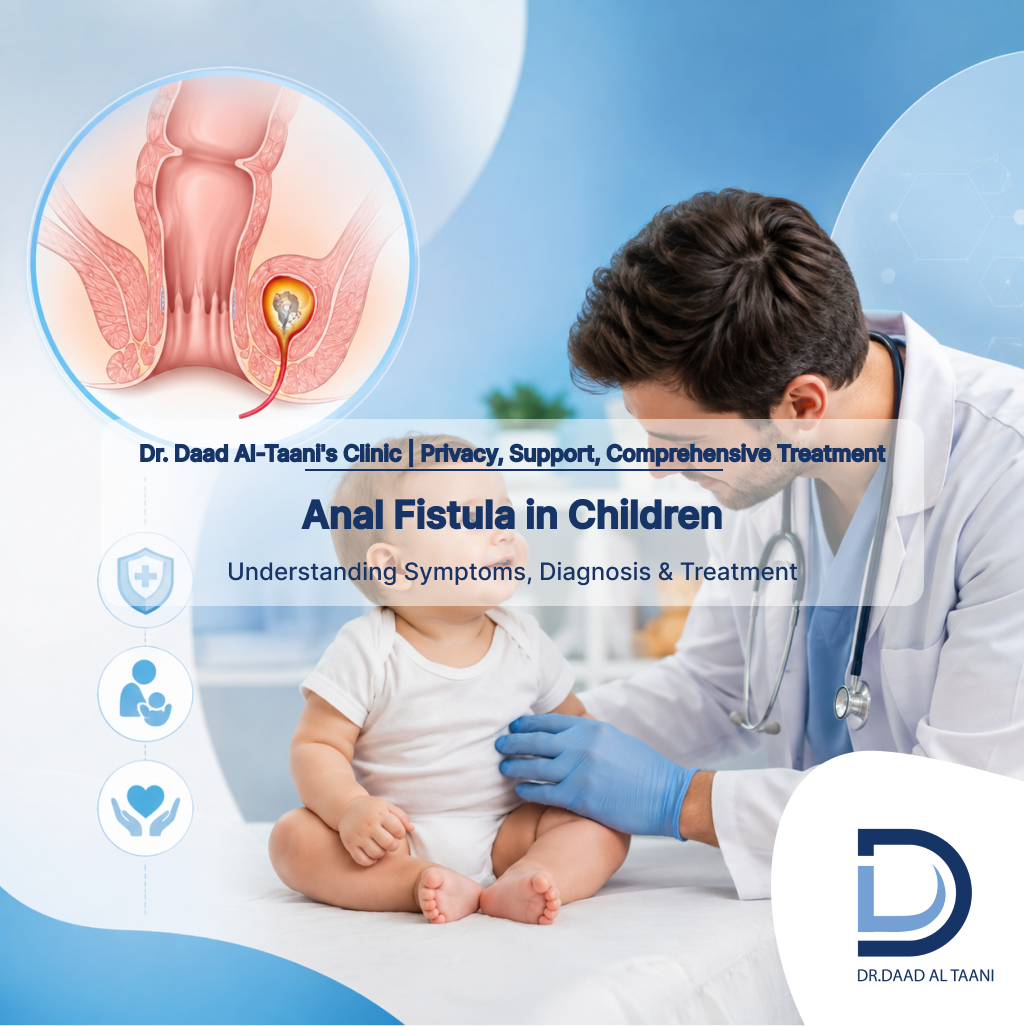
Anal fistula is a common yet complex condition affecting the anal region. If not properly diagnosed and treated, it may progress into a chronic disease. Patients often experience persistent pain, discharge, swelling around the anal opening, and recurrent infections, even after conservative management.

Early diagnosis and timely medical or surgical intervention are essential to protect the anal sphincter muscles, prevent long-term complications, and reduce the risk of recurrence.


When Is Medical or Surgical Intervention Required?

Medical or surgical treatment for anal fistula becomes necessary in the following situations:

  • Persistent discharge or foul-smelling secretions indicating chronic infection.
  • Recurrent or severe pain around the anal area.
  • Repeated infections or abscess formation despite conservative treatment.
  • Continuous swelling or palpable masses suggesting deep or complex fistula tracts.
  • Significant impact on daily activities, such as difficulty sitting, walking, or sleeping.

Early intervention allows accurate assessment of the fistula’s location and depth and helps in developing an effective treatment plan that minimizes complications while preserving sphincter function.

Evaluation of Anal Fistula

To determine the most appropriate treatment approach, physicians typically follow these steps:

1. Medical history and clinical examination: Evaluating symptom duration, pain severity, and frequency of recurrent infections.

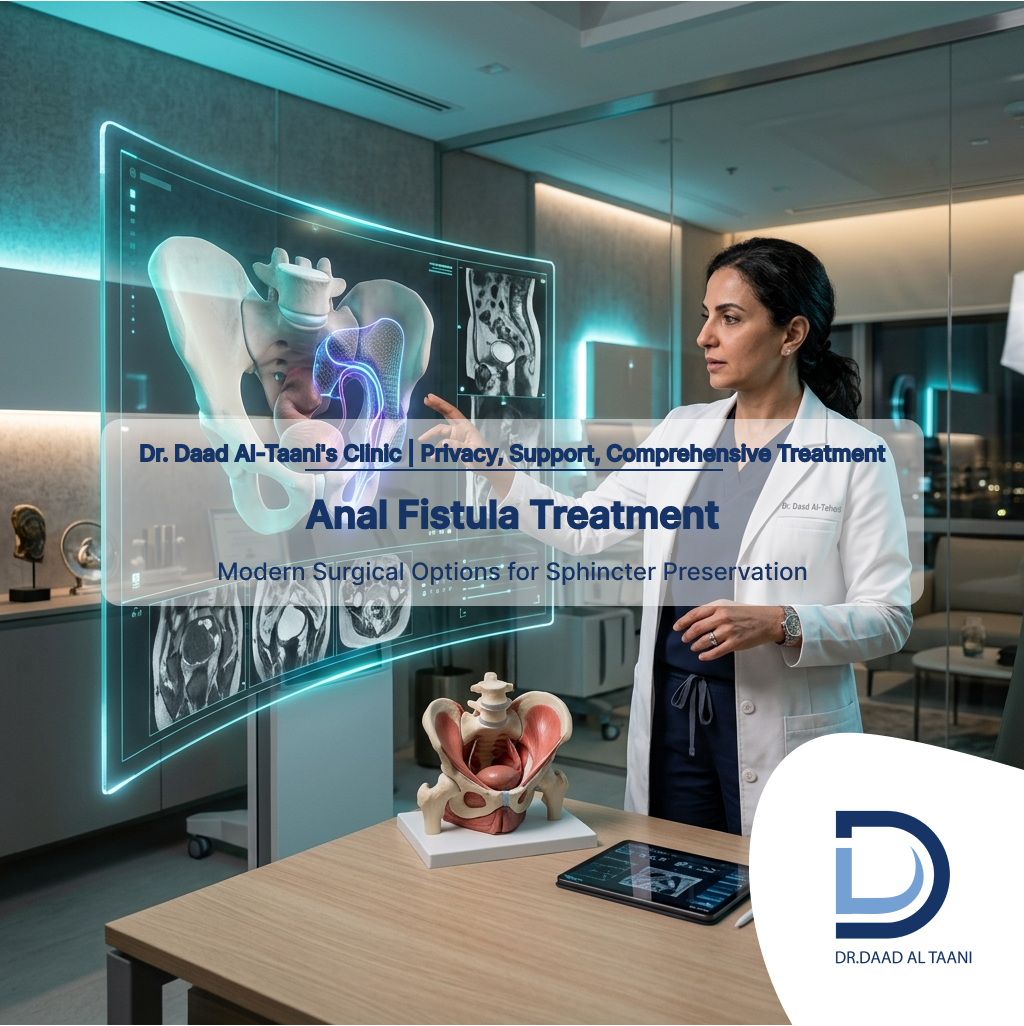
2. Imaging studies: Endoanal ultrasound or magnetic resonance imaging (MRI) may be used to precisely map the fistula tract.

3. Classification of fistula type: Simple fistulas may respond well to conservative management, whereas complex fistulas often require surgical intervention.

4. Assessment of complications: Identifying associated abscesses or widespread infection in surrounding tissues.

Treatment Options

1. Conservative management: Includes proper hygiene, antibiotics, and anti-inflammatory or soothing topical agents to control infection and inflammation.

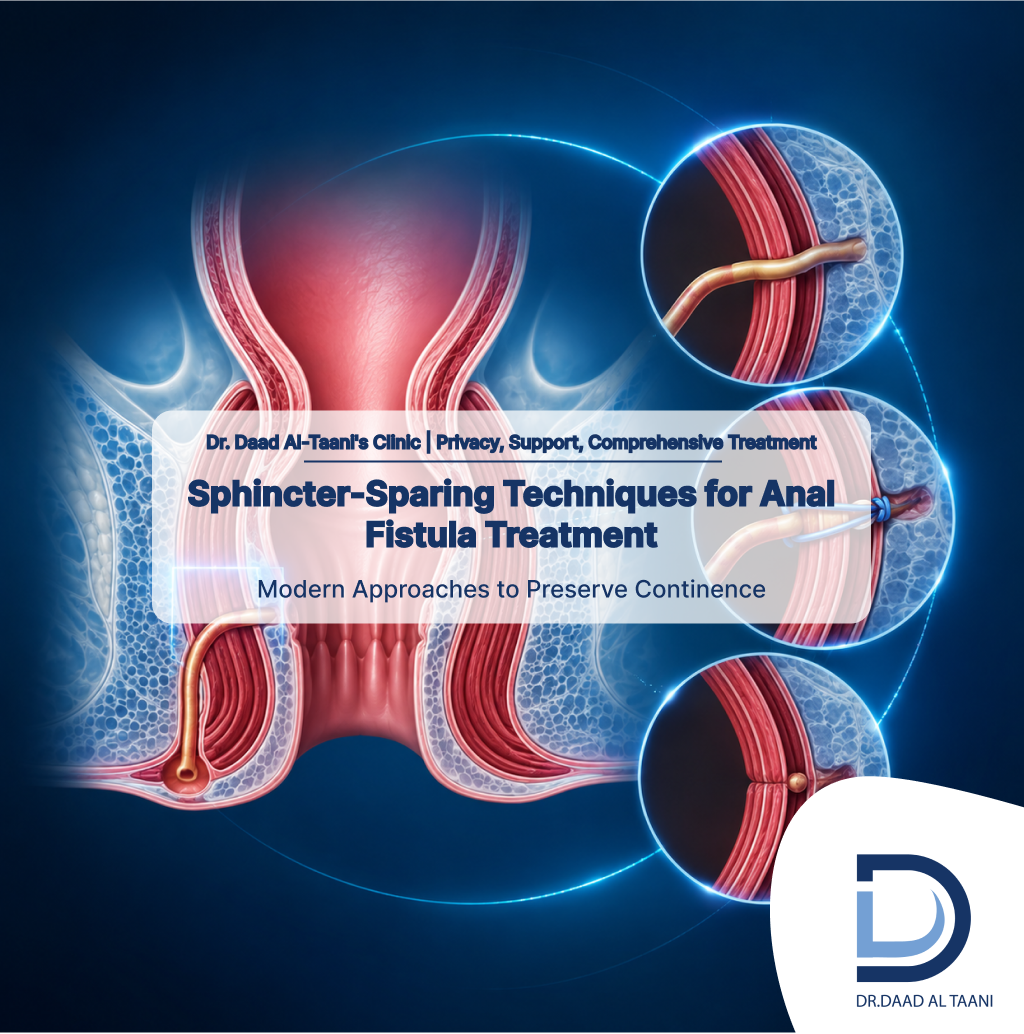
2. Simple surgical procedures: Removal or opening of uncomplicated fistulas while preserving the integrity of the anal sphincter muscles.

3. Complex surgical procedures: Indicated for deep, branching, or chronic fistulas and may involve advanced techniques or tissue grafts to close the tract and prevent recurrence.

Prevention and Recovery Tips

  • Maintain a high-fiber diet to promote smooth bowel movements and prevent constipation.
  • Drink adequate amounts of water daily.
  • Ensure proper anal hygiene and avoid irritants.
  • Take warm sitz baths several times daily to relieve pain and reduce swelling.
  • Seek medical attention promptly if persistent pain, swelling, or discharge develops.

Conclusion

Anal fistula can become a chronic and debilitating condition if not managed appropriately. Early diagnosis, selection of the correct treatment strategy—whether conservative or surgical—and adherence to a healthy lifestyle are crucial for preserving sphincter function, minimizing recurrence, and preventing serious complications.

Share:

Tags:

Latest Articles
Tags

You Can Contact Us Anytime

Related Articles

Call Now اتصل الآن

يمكنك البحث عن الخدمات التي نقدمها

You can search for the services we provide