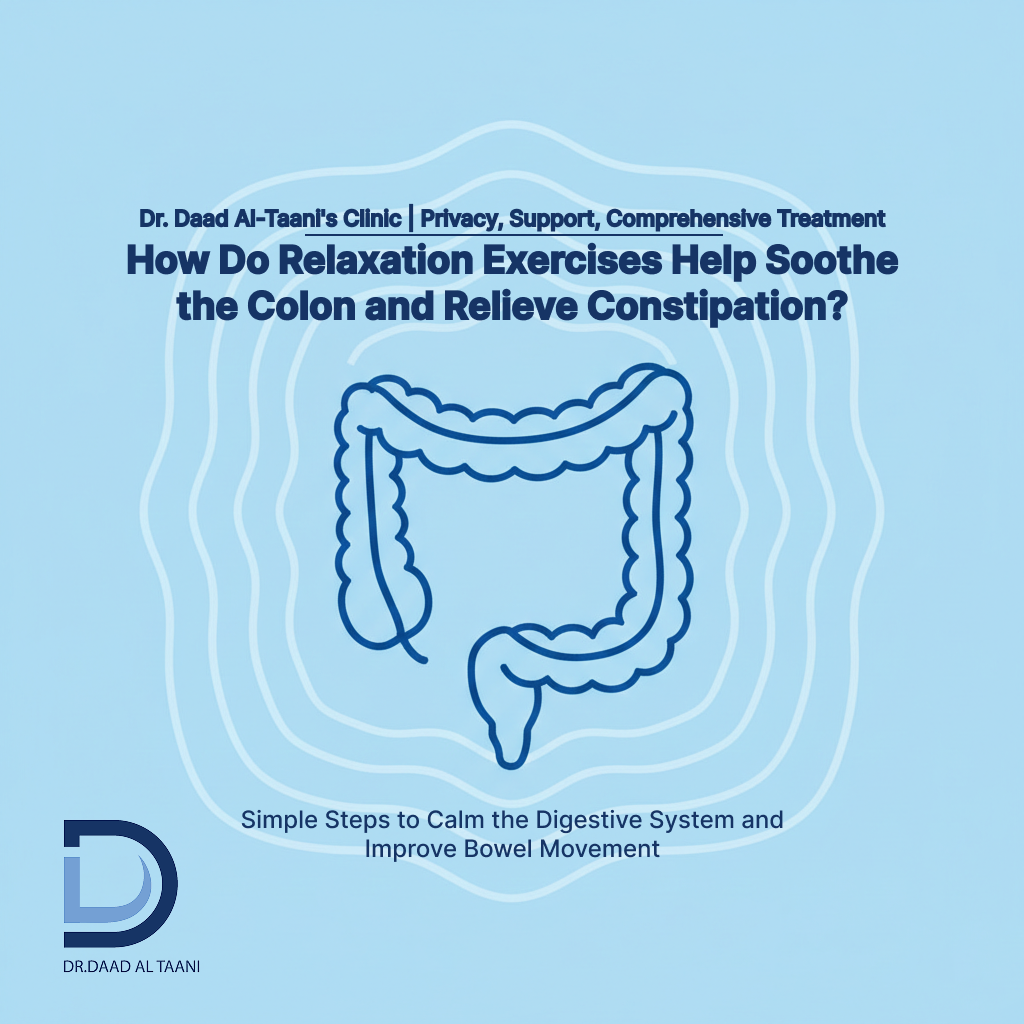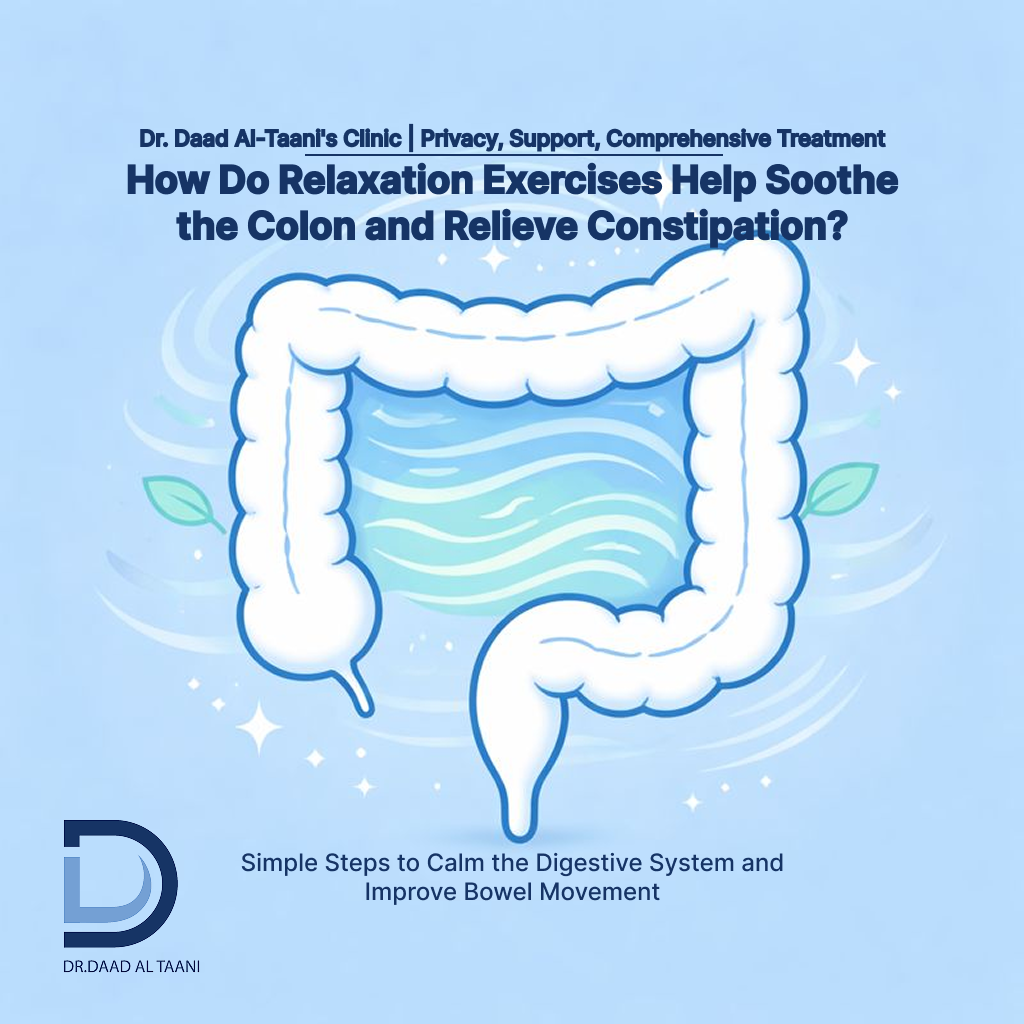
Many people suffer from chronic constipation or symptoms of irritable bowel syndrome (IBS), such as bloating, abdominal cramps, and irregular bowel movements. While medications can help manage symptoms, stress and psychological tension remain among the most overlooked triggers that worsen digestive problems.

This is where relaxation exercises play a vital role, offering a safe and natural way to calm the nervous system and improve digestive function without side effects.

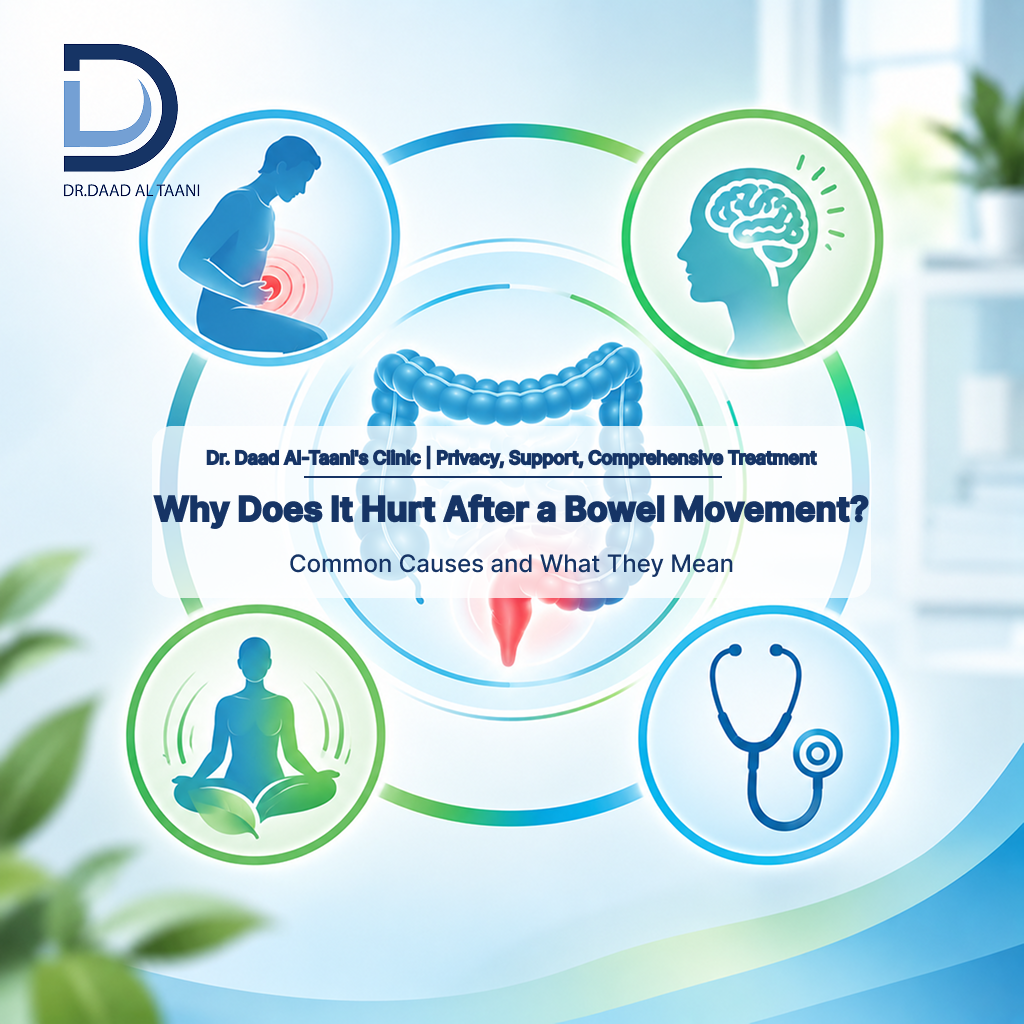
The Connection Between Stress, Constipation, and IBS

The digestive system is closely connected to the nervous system through what is known as the gut–brain axis.

When a person is under stress or anxiety:

  • Intestinal muscles may tighten
  • Bowel movements can slow down
  • Sensitivity to pain and bloating increases

That is why reducing stress through relaxation techniques is a key component in managing constipation and IBS effectively.

Benefits of Relaxation Exercises for Digestive Health

Regular relaxation exercises can help:

  • Stimulate natural bowel movements
  • Reduce intestinal spasms
  • Relieve bloating and gas
  • Improve bowel evacuation with less straining
  • Decrease dependence on laxatives
  • Enhance mental well-being and sleep quality

Best Relaxation Exercises for Constipation and IBS

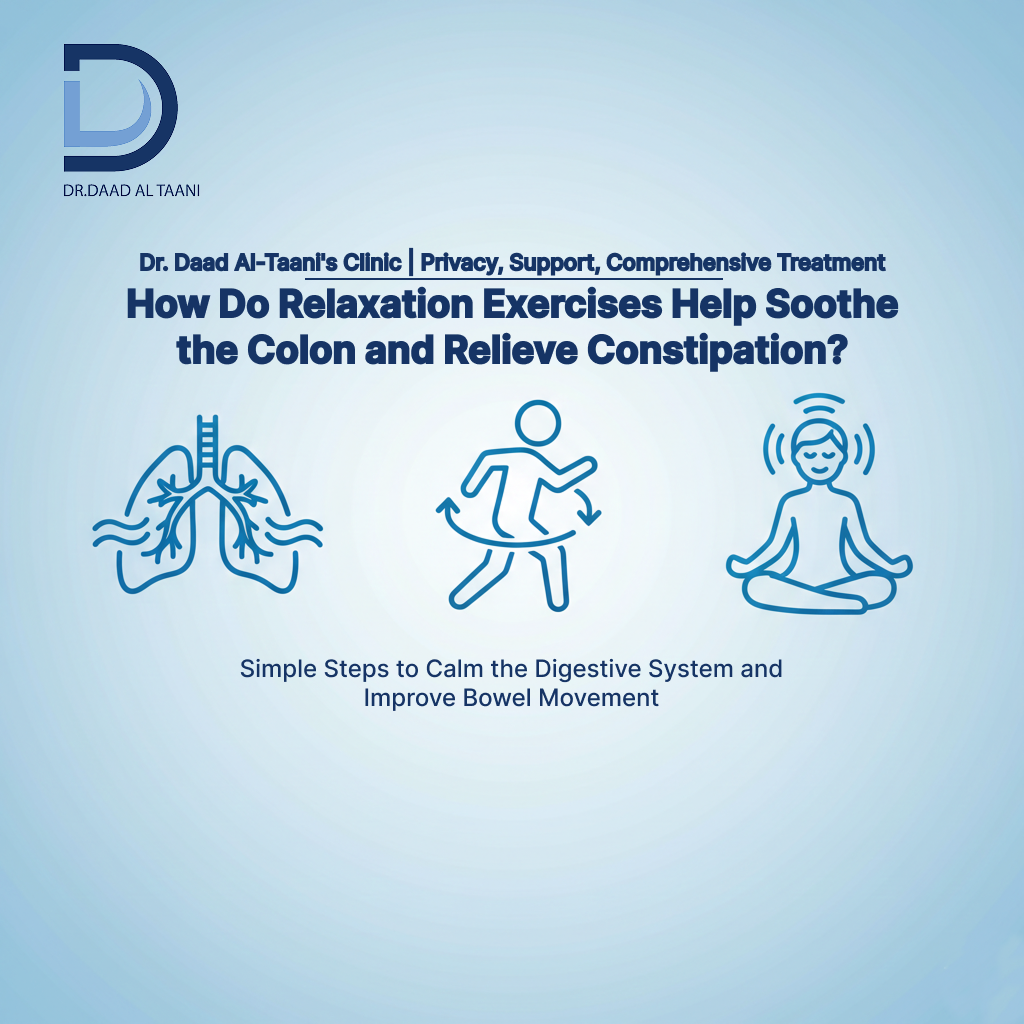
1. Deep Breathing Exercises

One of the simplest and most effective techniques.

How to practice:

  • Sit or lie down in a comfortable position
  • Inhale deeply through your nose for 4 seconds
  • Hold your breath for 2 seconds
  • Exhale slowly through your mouth for 6 seconds
  • Repeat 5–10 times

Deep breathing helps relax the colon and encourages bowel movement.


2. Abdominal and Pelvic Muscle Relaxation

Highly beneficial for stress-related constipation.

How to practice:

  • Lie on your back with knees bent
  • Place one hand on your abdomen
  • Tighten your abdominal muscles for 5 seconds
  • Then fully relax them for 10 seconds
  • Repeat 8–10 times

This exercise improves muscle coordination during bowel movements.


3. Child’s Pose (Yoga Pose)

A gentle yoga posture that supports digestive health.

Benefits:

  • Reduces abdominal pressure
  • Calms the nervous system
  • Helps relieve bloating

Practice for 2–3 minutes daily for best results


4. Progressive Muscle Relaxation

This technique involves tensing and relaxing muscle groups gradually.
How to practice:

  • Start with the feet and legs
  • Move to the abdomen and chest
  • Finish with shoulders and neck
  • Tense each muscle group for 5 seconds, then release

This method reduces anxiety, which directly affects IBS symptoms.


5. Mindfulness and Meditation

Sitting quietly and focusing on breathing without judgment or focus on symptoms.

Studies show that mindfulness can reduce the severity of IBS symptoms and improve bowel regularity.


When Do Results Appear?

With consistent daily practice, many people notice improvement within:

  • 2 to 4 weeks
  • Fewer abdominal cramps
  • More regular bowel movements
  • Overall digestive comfort

Consistency is the key to success.

Tips to Enhance the Effectiveness of Relaxation Exercises

  • Practice exercises at the same time each day
  • Drink enough water
  • Eat a fiber-rich diet
  • Avoid eating while stressed
  • Maintain good sleep habits

Conclusion

Relaxation exercises are more than just a mental health tool—they are an effective supportive treatment for constipation and irritable bowel syndrome. By calming the nervous system, the digestive tract can regain its natural rhythm, leading to gradual and lasting symptom relief.

Combining relaxation techniques with a healthy lifestyle may be the most natural and sustainable solution for long-term digestive comfort.

Share:

Tags:

Latest Articles
Tags

You Can Contact Us Anytime

Related Articles

Call Now اتصل الآن

يمكنك البحث عن الخدمات التي نقدمها

You can search for the services we provide