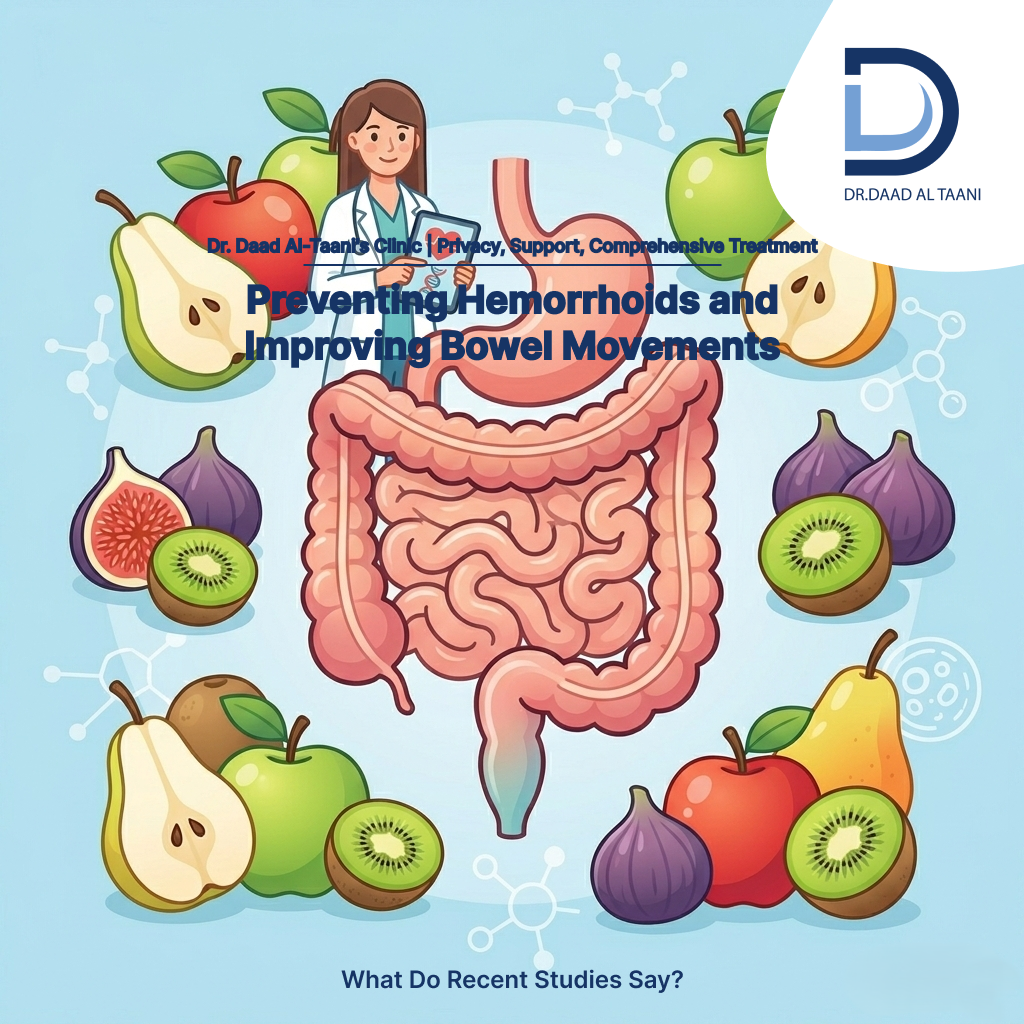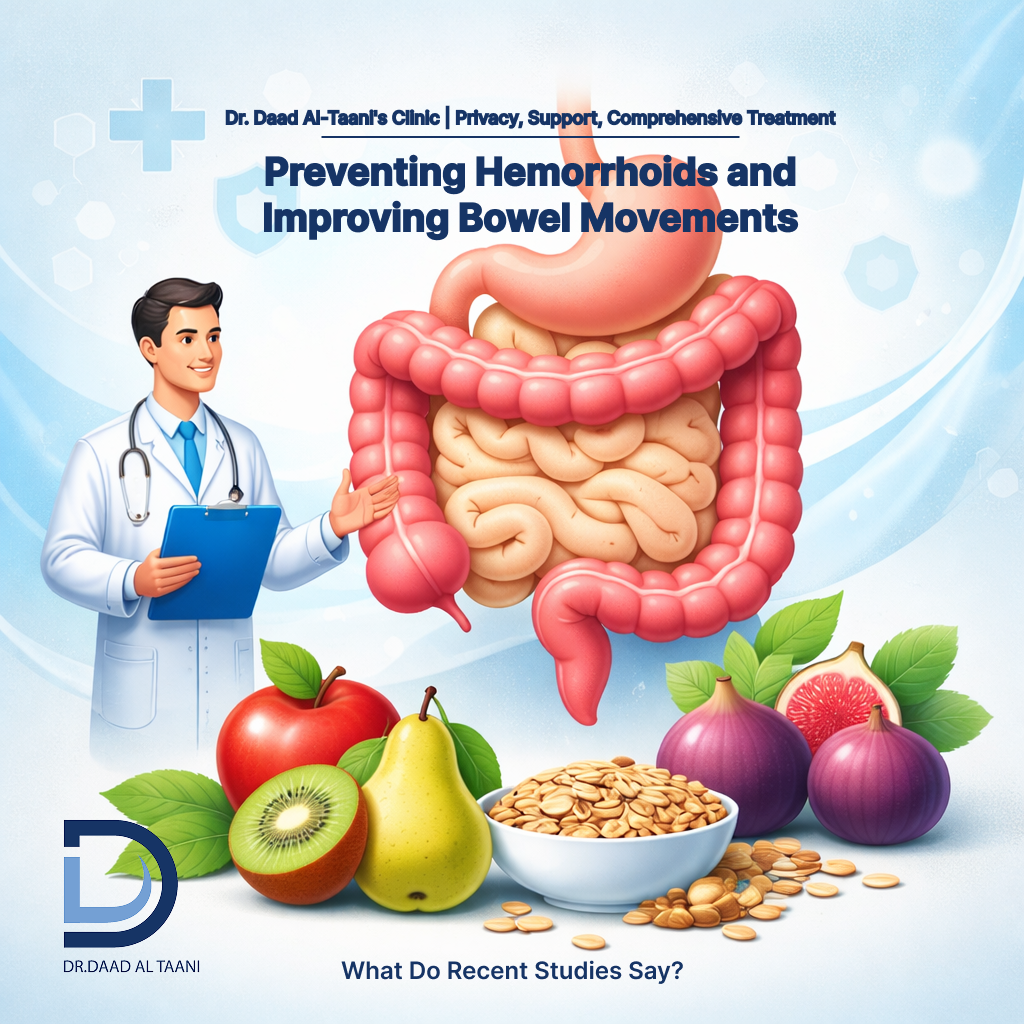
Hemorrhoids are among the most common anorectal conditions and are frequently associated with chronic constipation and difficulty passing stool. Repeated straining during bowel movements due to hard stool increases pressure on the anal veins, leading to swelling, discomfort, and sometimes bleeding.

Recent studies show that lifestyle modification—particularly dietary improvement—plays a fundamental role in preventing hemorrhoids and enhancing bowel movement without the need for invasive treatment in early stages.

How Fiber Helps Prevent Hemorrhoids

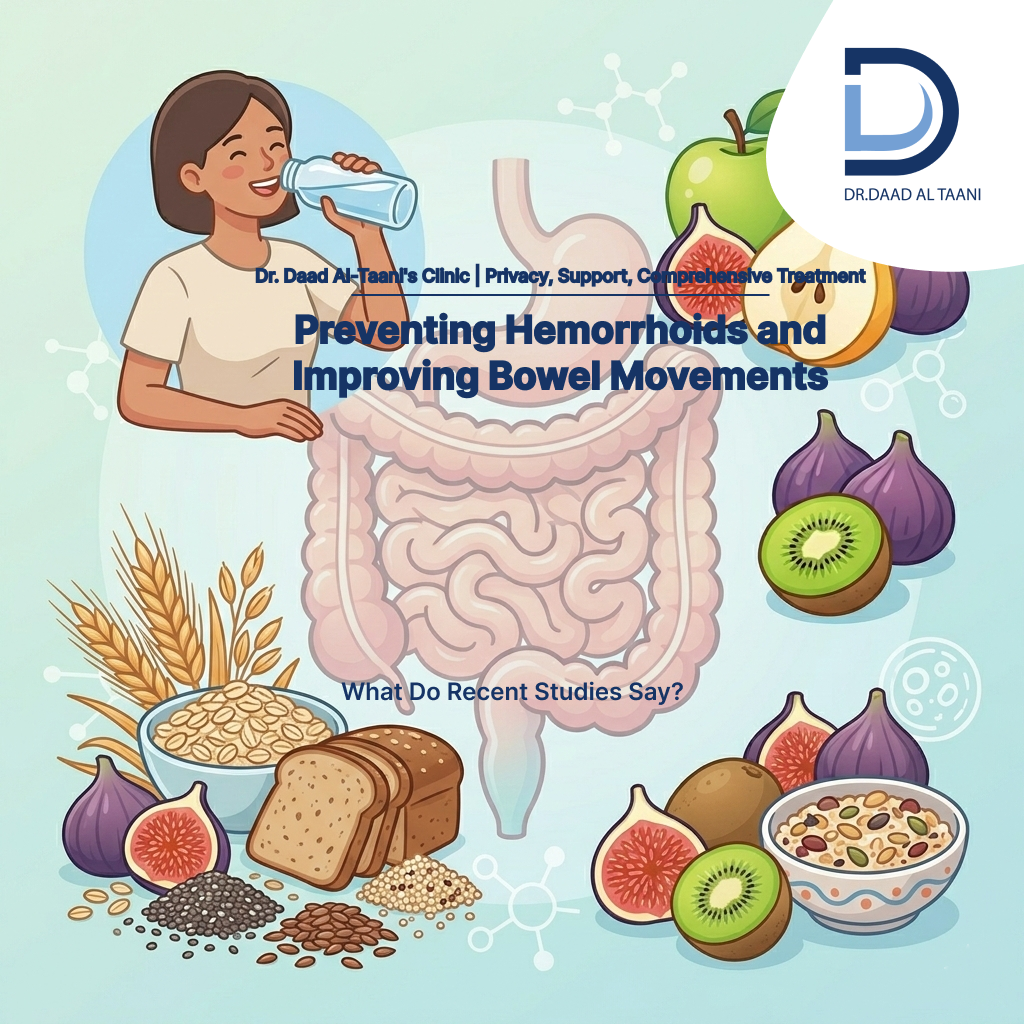
Dietary fiber improves stool consistency by absorbing water and increasing stool bulk, making it softer and easier to pass through the intestines. This reduces straining during defecation, which is the primary factor in hemorrhoid development.

Clinical research confirms that increasing fiber intake can:

  • Reduce chronic constipation
  • Decrease hemorrhoid-related bleeding
  • Relieve anal pressure and discomfort
  • Improve bowel movement regularity

For this reason, medical guidelines recommend dietary modification as the first step in conservative hemorrhoid management.

Best Fruits to Support Healthy Bowel Movement

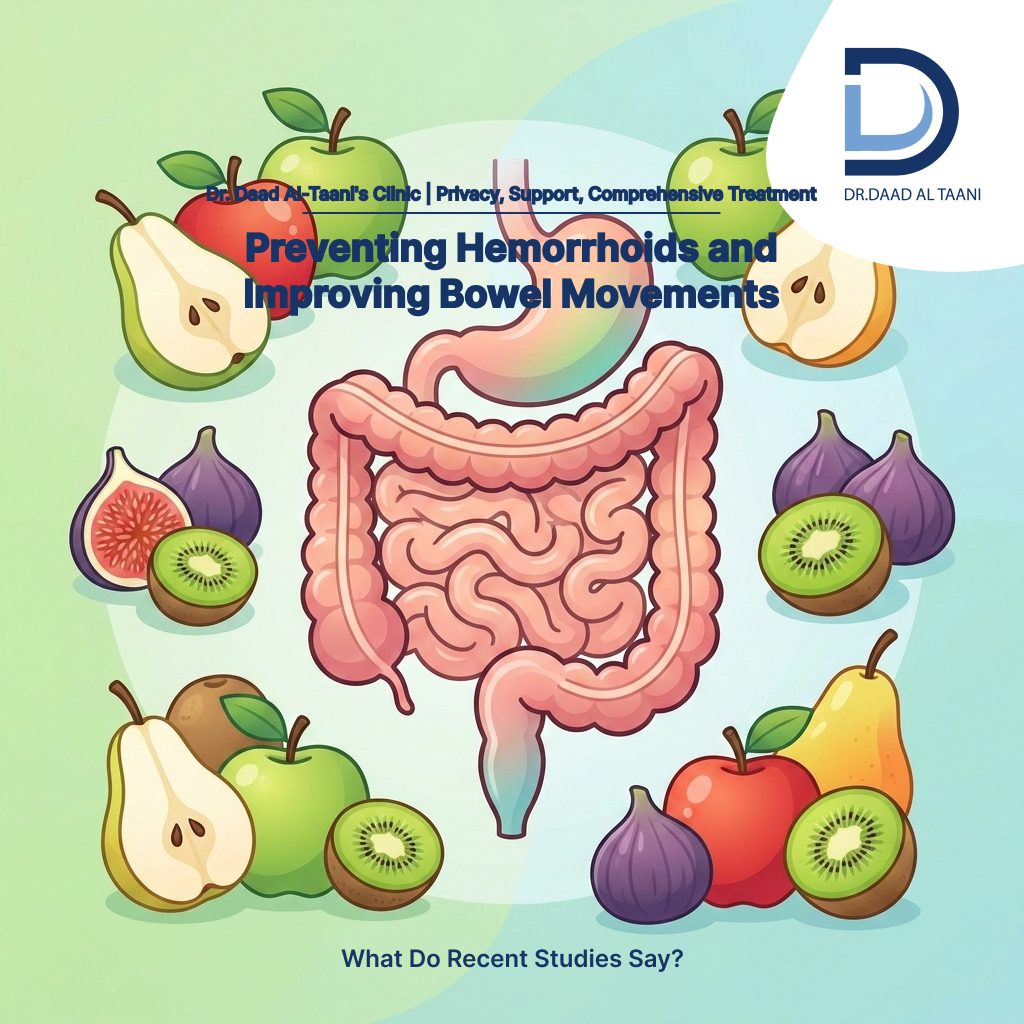
Apple – Rich in soluble fiber such as pectin, which supports digestion and softens stool, especially when consumed with the skin.

Pear – High in fiber and water content, helping prevent dry and hard stools.

Kiwi – Studies show it may increase bowel movement frequency in individuals with slow intestinal transit.

Orange – Provides natural fiber and vitamin C, supporting vascular health.

Fresh Fig – Promotes bowel regularity due to its high natural fiber content.

The Role of Dried Fruits in Relieving Constipation


Prunes – Known for their natural laxative effect due to fiber and sorbitol content.

Dried Figs – Help soften stool and stimulate bowel activity.

Dates – A natural source of fiber that supports digestion when consumed in moderation.

Dried Apricots – Contribute to improved intestinal transit and colon health.

Tip: Soaking dried fruits before consumption may enhance digestion and effectiveness.

The Importance of Hydration

Increasing fiber intake without adequate water may be counterproductive. Fiber requires sufficient fluid to function effectively. Maintaining proper hydration supports digestive health and prevents hard stools.

What Recent Studies Confirm

Modern medical reviews indicate that individuals following a fiber-rich diet experience milder hemorrhoid symptom and are less likely to require surgical intervention in early stages.

Clinical experience with Doctor Daad Altaani in Dubai emphasizes that combining a balanced diet with early medical evaluation helps reduce complications and accelerates recovery.

When to See a Specialist

Persistent pain, recurrent bleeding, or ongoing constipation despite dietary adjustments should not be ignored.

Doctor Daad Altaani Clinic offers advanced treatment options, including conservative therapies and modern laser techniques, with individualized treatment plans tailored to each patient’s condition to ensure optimal outcomes.


Conclusion

Preventing hemorrhoids begins with simple yet effective steps: maintaining a fiber-rich diet, staying well hydrated, and adopting healthy lifestyle habits.

Recent research confirms that these measures significantly reduce the risk of hemorrhoids and improve bowel movement, supporting long-term colon health and overall quality of life.

Share:

Tags:

Latest Articles
Tags

You Can Contact Us Anytime

Related Articles

Call Now اتصل الآن

يمكنك البحث عن الخدمات التي نقدمها

You can search for the services we provide