Recent medical research suggests that recurrent anal fistula is not only related to surgery or treatment technique, but may also be linked to the body’s immune and inflammatory response. Some patients recover quickly after treatment, while others experience repeated inflammation or the formation of new fistula tracts despite proper medical care.
What Does Scientific Research Say About Recurrent Fistulas?

A scientific review published in an World Journal of Surgery explained that recurrent anal fistulas are often associated with several factors, including chronic inflammation, poor tissue healing, and immune-related disorders that affect the body’s ability to fight infection and achieve complete recovery. Persistent inflammation inside the anal canal may leave microscopic infected pathways behind, increasing the risk of recurrence.

Immune Dysfunction and Inflammatory Cytokines

In a European immunological study on anal fistulas, researchers found elevated levels of inflammatory cytokines in some patients. Cytokines are substances produced by the immune system during infection and inflammation. However, when these inflammatory signals remain elevated for a long time, they may interfere with normal tissue healing and make the area more vulnerable to repeated infection. The researchers also noted that immune dysfunction does not always mean severe immune deficiency, but may involve an abnormal inflammatory response within the body itself.

Medical Conditions That Increase Recurrence Risk

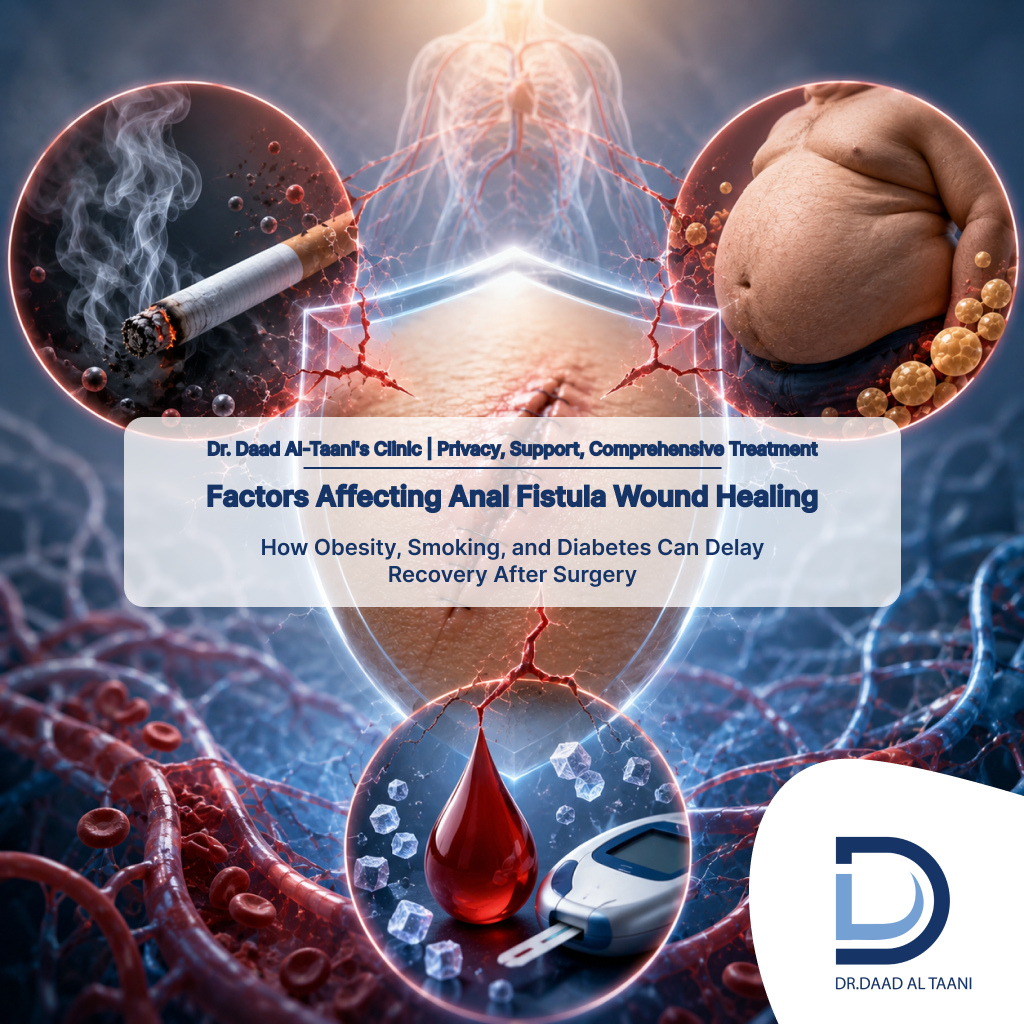
Several medical conditions are also associated with higher recurrence rates, including Crohn’s disease, uncontrolled diabetes, obesity, smoking, and poor nutrition. All of these factors negatively affect wound healing and immune efficiency. Research has shown that obese patients, in particular, may experience higher treatment failure and recurrence rates due to chronic inflammation and impaired blood circulation within tissues.

True Immune Deficiency vs. Reduced Healing Capacity

It is important to distinguish between true immune deficiency and reduced healing capacity. Not every patient with recurrent fistula suffers from a serious immune disease. In many cases, the body may simply be exhausted by chronic stress, vitamin deficiencies, anemia, poor sleep, or prolonged inflammation, all of which can slow recovery.

How to Reduce the Risk of Fistula Recurrence

Modern studies emphasize that successful fistula treatment depends not only on surgery, but also on addressing the underlying inflammatory causes. For this reason, doctors may request additional investigations in recurrent cases, including blood sugar testing, complete blood count, inflammatory markers, or evaluation for gastrointestinal and immune-related diseases if deeper medical issues are suspected.

Some recent reports have also suggested that controlling chronic bacterial infections and improving gut health may help reduce recurrence in selected patients, although further research is still needed before these findings can be considered conclusive.

Doctors advise patients not to ignore persistent symptoms such as discharge, swelling, or pain even after surgery, because early detection of recurrent inflammation significantly improves treatment outcomes and reduces complications

Practical Advice from Dr. Daad Al-Taani

Dr. Daad Al-Taani also advises patients with recurrent anal fistula to focus on overall body health alongside surgical treatment by improving nutrition, controlling chronic diseases, avoiding smoking, supporting natural immunity, and maintaining healthy sleep patterns, since tissue healing depends on the body’s overall condition and not only on the site of infection.


Share:

Tags:

Latest Articles
Tags

You Can Contact Us Anytime

Related Articles

Call Now اتصل الآن

You can search for the services we provide

You can search for the services we provide