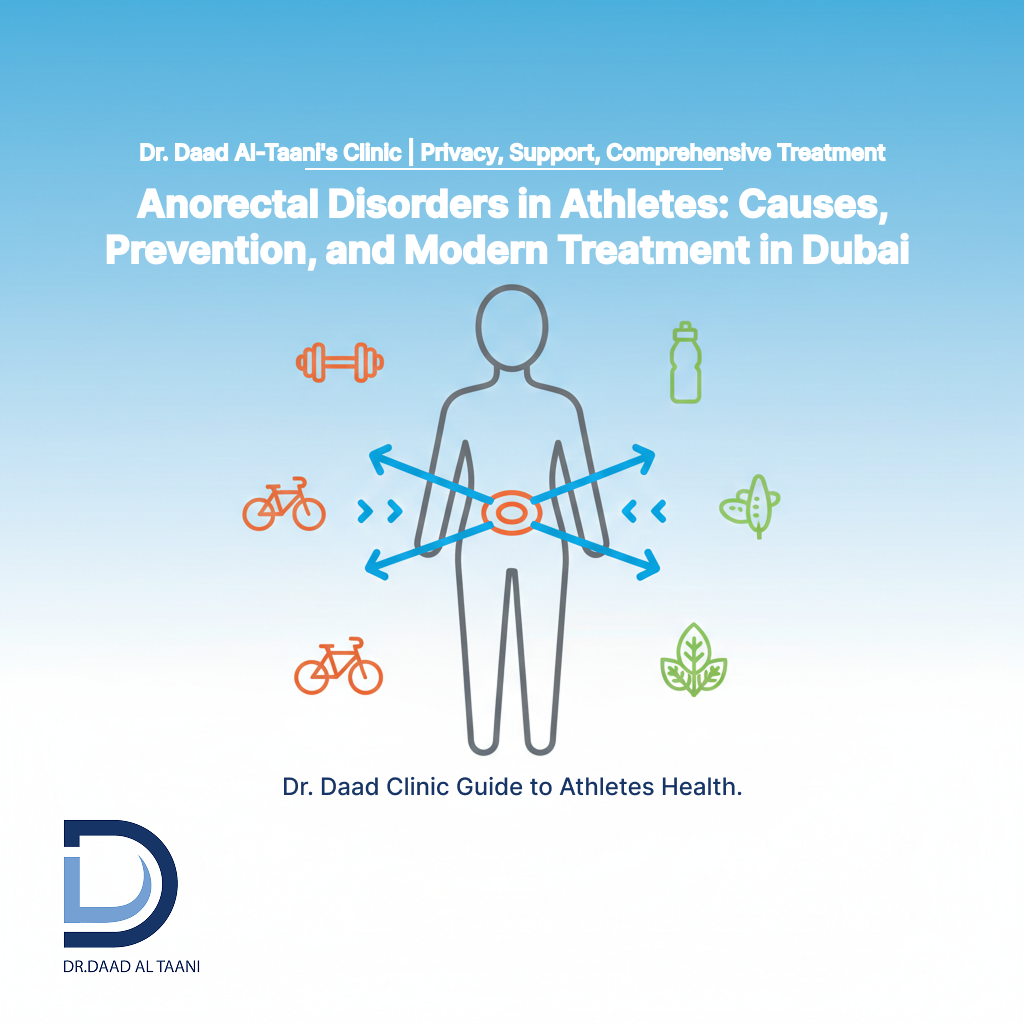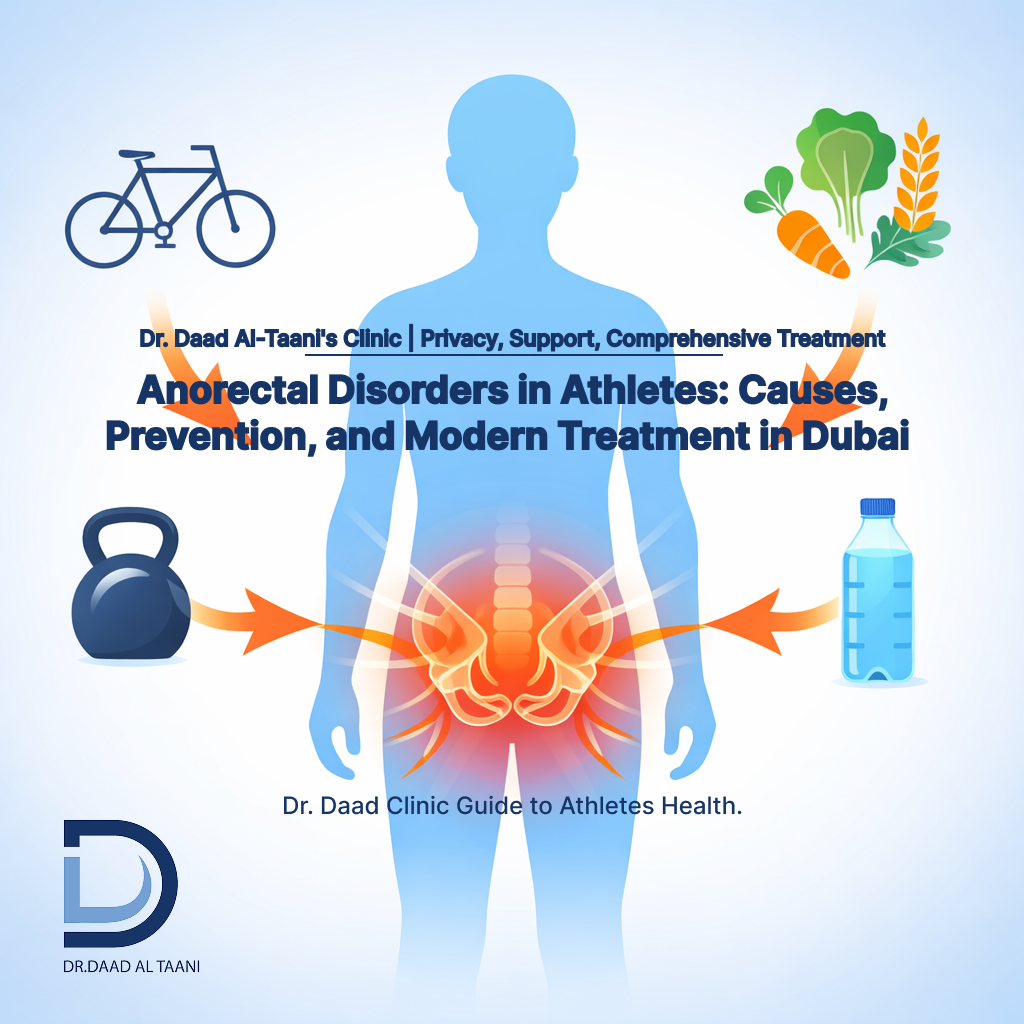
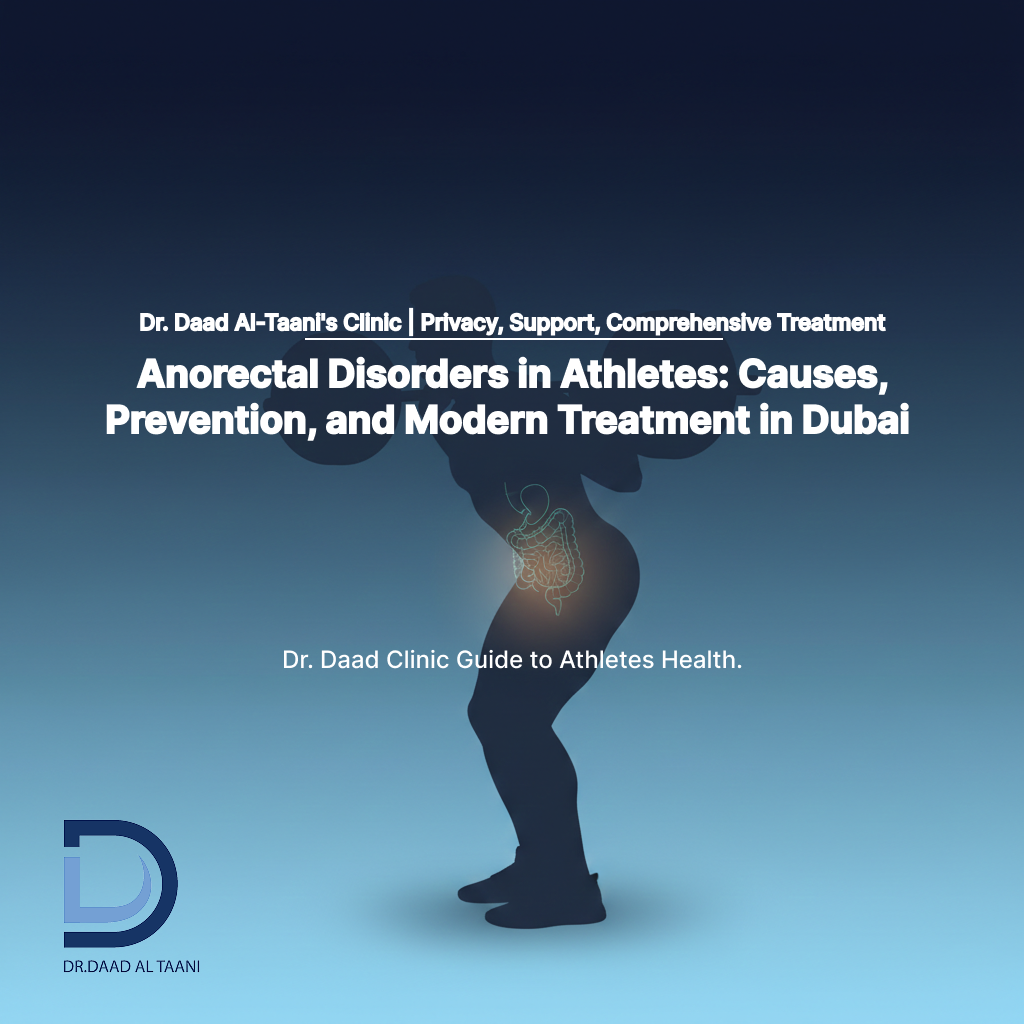
The lower digestive tract, particularly the anal and rectal region, is highly sensitive in athletes. Intense training, heavy weightlifting, and sports that place repeated pressure on the pelvic area can increase the risk of developing conditions such as hemorrhoids, anal fissures, and pelvic floor dysfunction.

Understanding the causes of these conditions and applying proper preventive strategies allows athletes to maintain peak physical performance without discomfort or interruption.

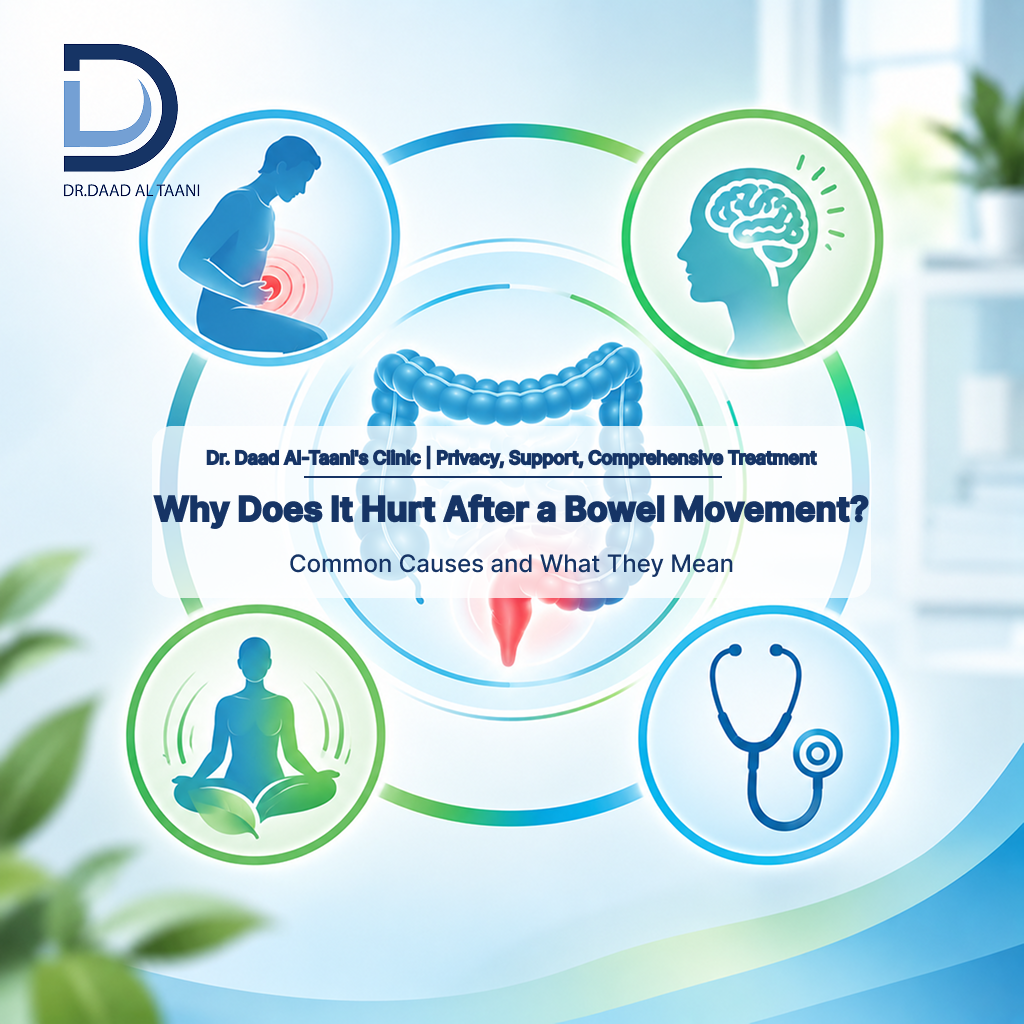
Common Anorectal Disorders in Athletes


Hemorrhoids

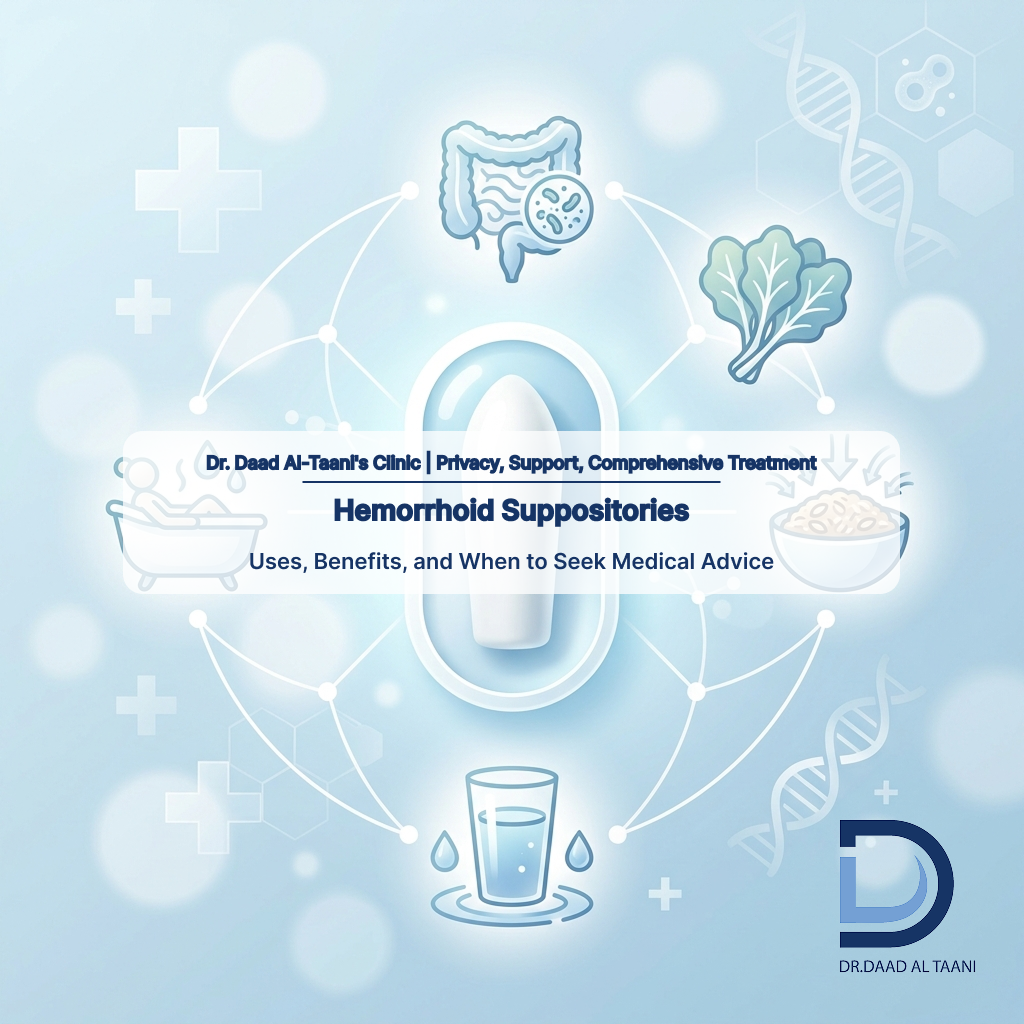
Hemorrhoids develop due to increased pressure on the rectal veins during strenuous exercise or heavy lifting. Dehydration and chronic constipation further increase the risk.

Symptoms may include pain, swelling, itching, and mild bleeding during bowel movements.

Anal Fissures

An anal fissure is a small tear in the lining of the anus, usually caused by repeated straining or passing hard stool.

It is often associated with sharp pain during or after bowel movements and may involve slight bleeding.

Pelvic Floor Dysfunction

High-intensity workouts, prolonged cycling, or heavy resistance training may weaken or strain the pelvic floor muscles.

This can lead to chronic pelvic discomfort or difficulty controlling bowel movements.

Constipation and Sluggish Bowel Movement

Low fiber intake and inadequate hydration during intense training can result in hard stool, increasing pressure on the rectum and raising the likelihood of further complications.

Causes of Anorectal Problems in Athletes

  • Excessive physical strain that increases intra-abdominal and rectal pressure
  • Poor dietary habits with insufficient fiber and fluids
  • Repeated pressure or friction on the pelvic area, especially during cycling
  • Psychological stress related to competition, which may worsen irritable bowel symptoms and affect rectal health

Effective Prevention Strategies


Maintain a High-Fiber Diet

Include foods such as:

  • Fresh fruits like apples, pears, figs, and prunes
  • Leafy green vegetables
  • Whole grains
  • Legumes, flaxseeds, and chia seeds

Fiber supports healthy bowel movement and reduces straining.


Stay Well Hydrated

Drinking sufficient water keeps stool soft and reduces pressure on anal veins during exercise.


Strengthen the Pelvic Floor

Pelvic floor exercises, including Kegel exercises, help improve muscle control and reduce the risk of dysfunction.


Modify Training and Equipment

  • Take regular breaks during prolonged cycling
  • Use ergonomic or supportive bicycle seats
  • Avoid extended periods of sitting without movement

Do Not Delay Bowel Movements

Ignoring the urge to defecate can lead to harder stool and increased rectal pressure.

What Recent Research Suggests


Medical research in sports medicine indicates that athletes involved in intensive weightlifting are more likely to develop hemorrhoids compared to non-athletes.

Studies also show that proper hydration and increased fiber intake significantly reduce the risk of anal fissures and improve bowel regularity.

Research on long-distance cycling highlights that supportive seating and limiting continuous sitting reduce pelvic floor strain.

Recent gastroenterology reviews emphasize that combining proper nutrition, hydration, and pelvic floor strengthening provides the most effective prevention strategy for anorectal disorders in athletes.

When to See a Specialist

Persistent pain, rectal bleeding, swelling, or ongoing discomfort should not be ignored. Early evaluation helps prevent complications and ensures faster recovery.

Doctor Daad Altaani provides specialized diagnosis and treatment for anorectal conditions using advanced, minimally invasive techniques, including modern laser procedures designed to reduce pain and shorten recovery time.

At Doctor Daad Altaani Clinic in Dubai, each patient receives a personalized treatment plan following a comprehensive evaluation, with particular attention to athletes who require a safe and efficient return to physical activity.

Conclusion

Anorectal disorders are common among athletes but are largely preventable.

Maintaining a fiber-rich diet, staying properly hydrated, strengthening pelvic muscles, modifying training techniques, and responding promptly to bowel urges all play an essential role in prevention.

Early medical consultation ensures accurate diagnosis, effective treatment, and a safe return to optimal performance.

Share:

Tags:

Latest Articles
Tags

You Can Contact Us Anytime

Related Articles

Call Now اتصل الآن

يمكنك البحث عن الخدمات التي نقدمها

You can search for the services we provide